Moneypoint
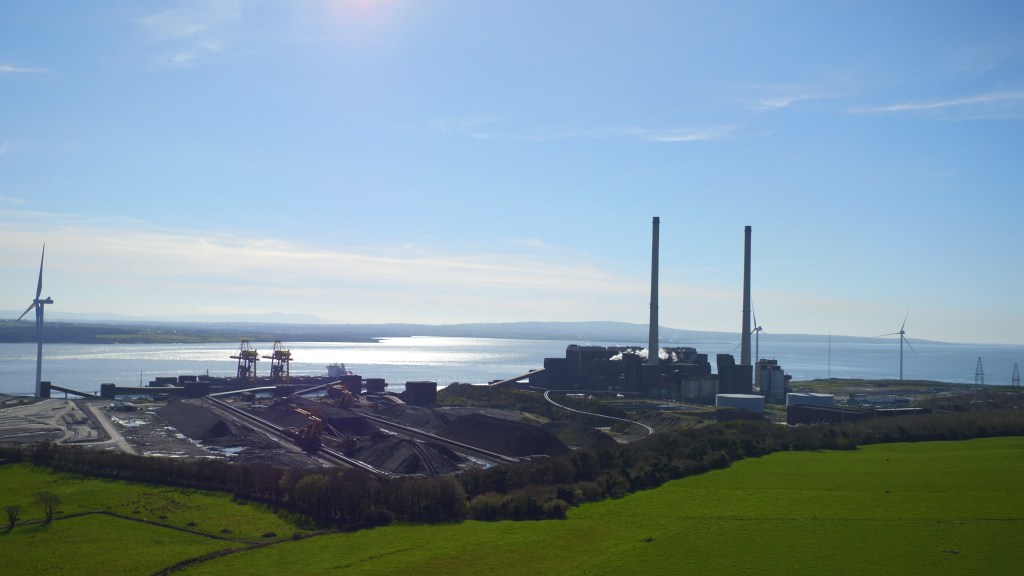
From your view point you have a clear view of Moneypoint power station. It is obviously private property with no entry allowed unless you work there but from where you stand you can see more than from anywhere else. Moneypoint site was chosen as the site had a solid rock foundation and a magnificent deep-water facility which could be developed to take vessels up to 250,000 tonnes – a vital economic factor in the importation of coal.
To develop the site over 300 acres of land was purchased from the following local landowners in the area, namely: John Thomas Culligan, Paddy Chambers, Willie Corry, Michael Browne, Martey Bonfield (the Coursing Field), Tommy Ryan, Michael Keane, Matthew O’Driscoll, Margaret Lucas and Tommy Fitzpatrick. The site comprises 447 acres.
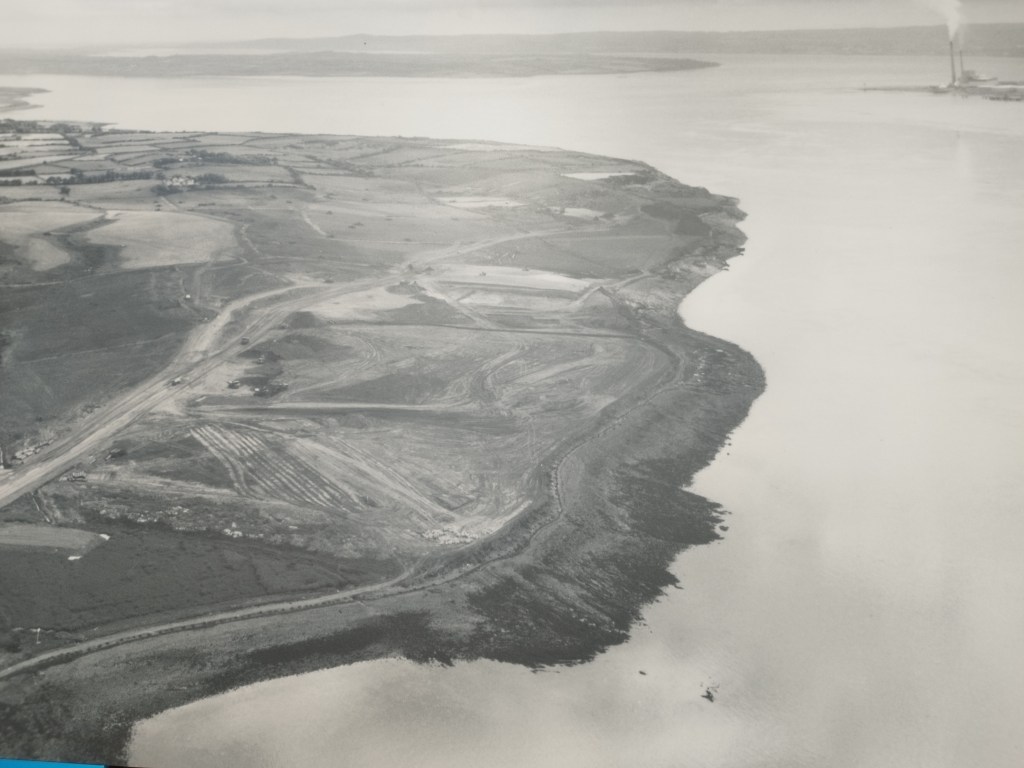
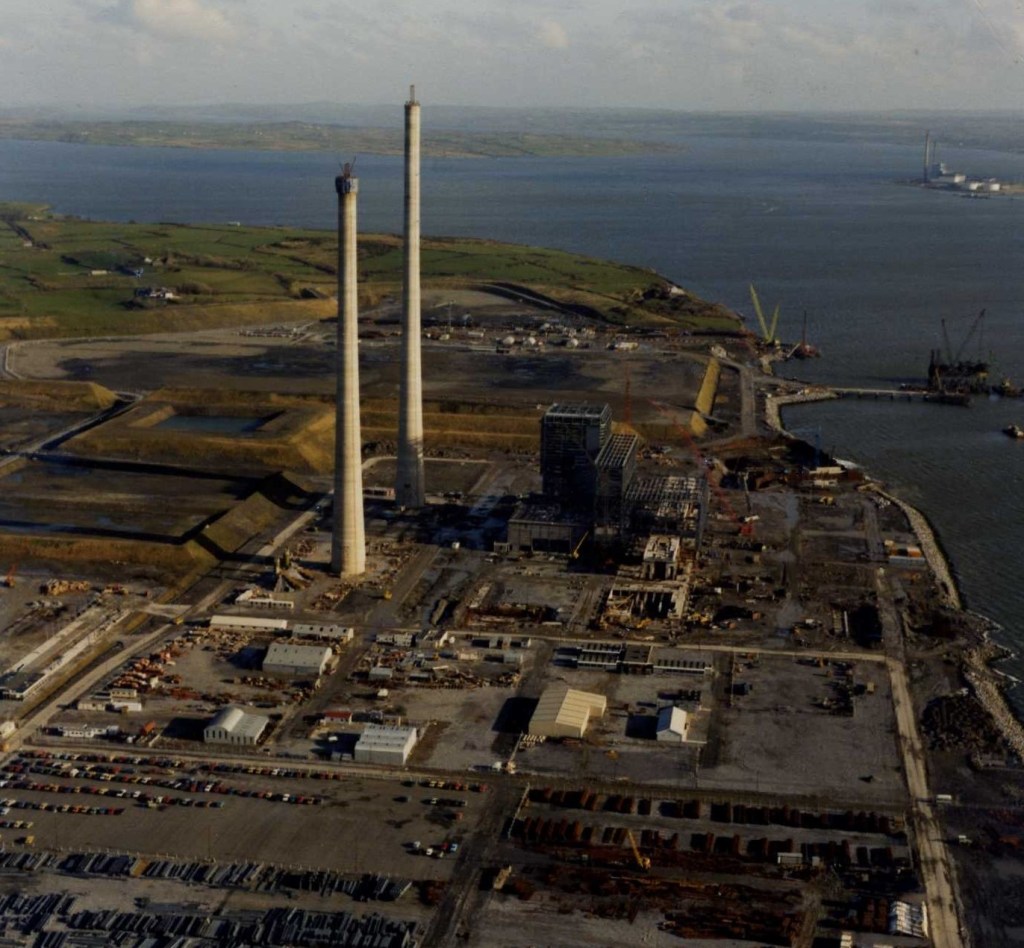
In March 1979 planning permission was granted by Clare Co Council to the ESB to build the large-scale, coal-fired power station at Moneypoint. Minister for Industry, Commerce & Energy, Mr Desmond O’Malley turned the first sod of the site and a plaque was erected and blessed by Fr James Keane, P.P. to mark the occasion of the new station in the presence of Professor Charles Dillon, Chairman of the ESB, and public representatives.
Click on the link below to bring you to the RTE archives of the time.
https://www.rte.ie/archives/2016/1004/821404-esb-chimney-at-moneypoint/
At that time the ESB had designed and built many generating stations in Ireland in the last 50 years however Moneypoint was not only bigger than anything that had gone before but it was also to be the most sophisticated and have the biggest fuel handling facility ever designed and built in Ireland.
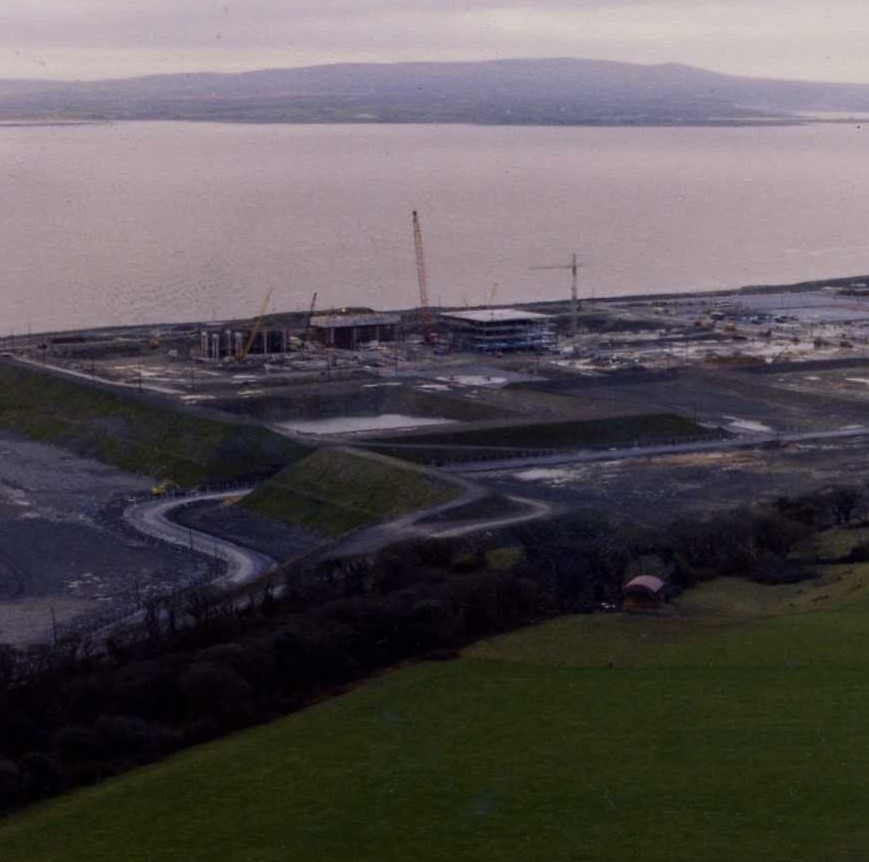
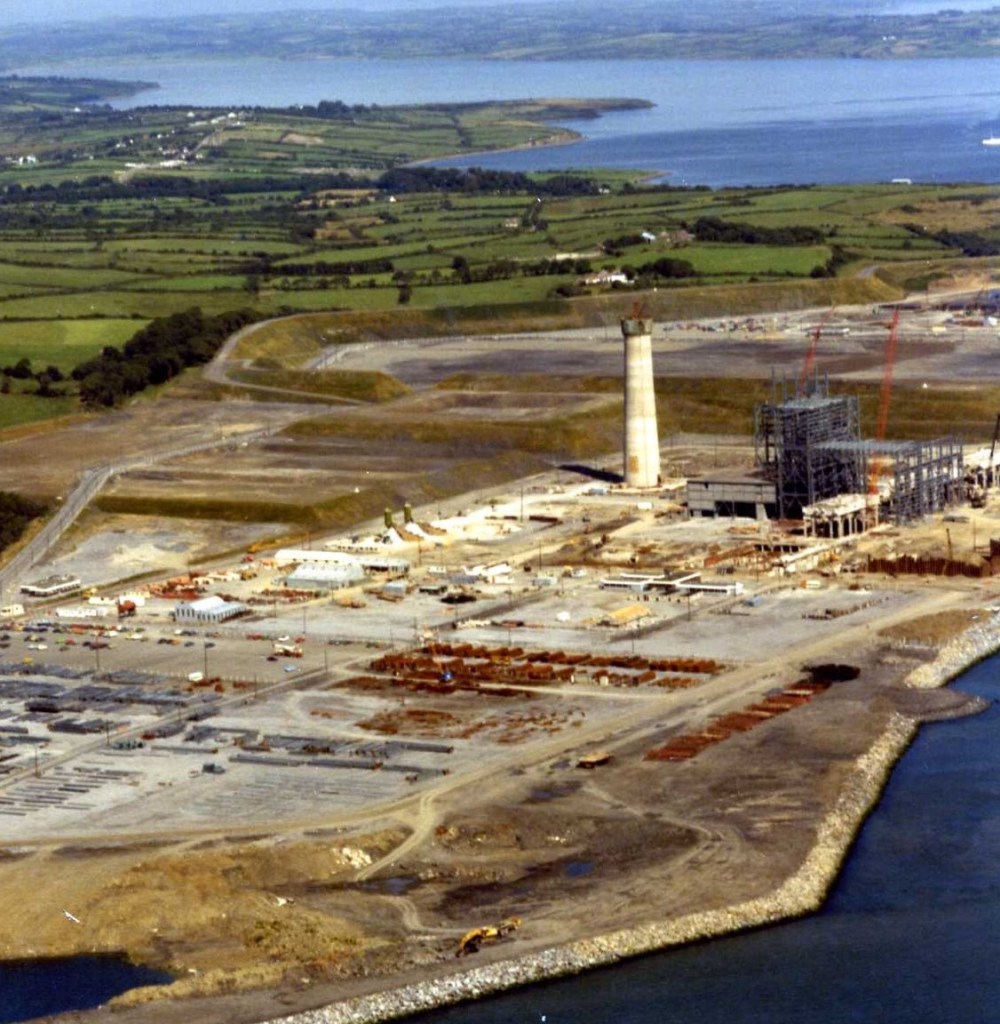
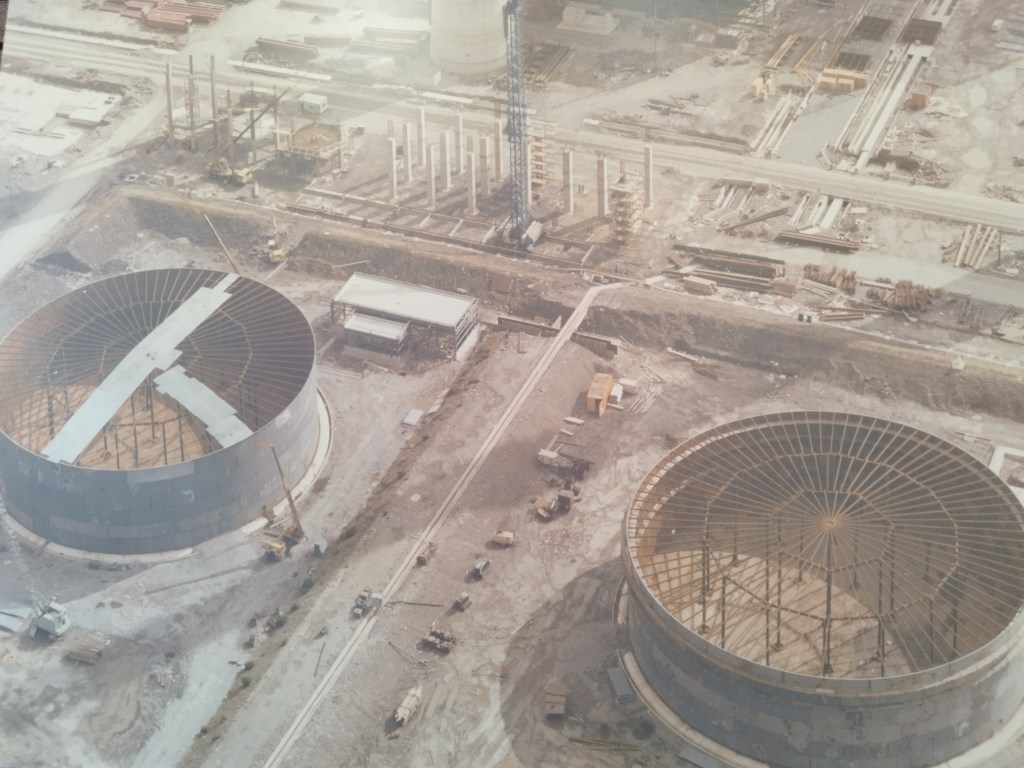
Three million cubic metres of material had to be excavated to level the hills and hollows. Rock-ripping and blasting were carried out on a scale never seen before in Ireland. Some of the rocks were used to form the wind barrier for the coal store to hold up to two million tonnes of coal; some were used to help reclaim 60 acres on the foreshore. The site was developed with an infrastructure that would accommodate a station with an ultimate capacity of 1200 megawatts. The planned capacity for Moneypoint was 900 megawatts; therefore the coal required to drive a plant of this size would be sourced from Australia and South America so the vast amounts of materials would all come in by ship. The jetty is 380m long and 33m wide and is carried on 425 steel piles driven through the river bed to solid rock. The water depth is 25m. Ships used to arrive on average twice per month to deliver the 2,000,000 tonnes of coal required to fuel the station each year. The two chimneys are each 225m in height.
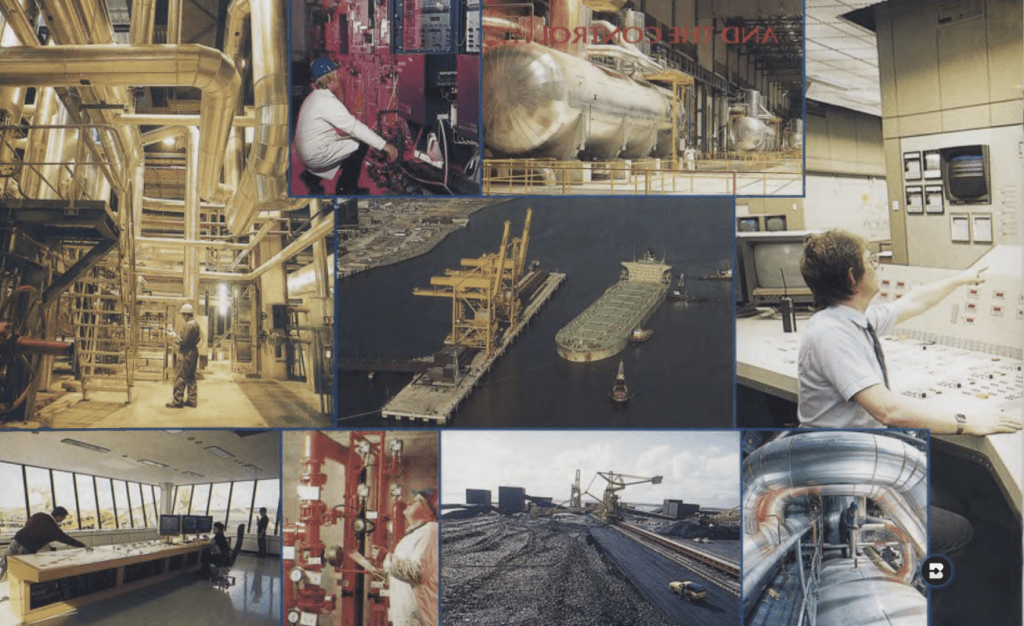
The station was officially opened by the Tánaiste and Minister for Energy Mr Dick Spring on December 1st 1986. The station provided permanent employment for 390 people up to a high of 420 people for the first many years, as well as employing many locals during the overhauls each year, but the permanent workforce has reduced in numbers over the years.
The link below shows the first boat arriving.
https://www.rte.ie/archives/2025/0403/1505623-coal-for-moneypoint/
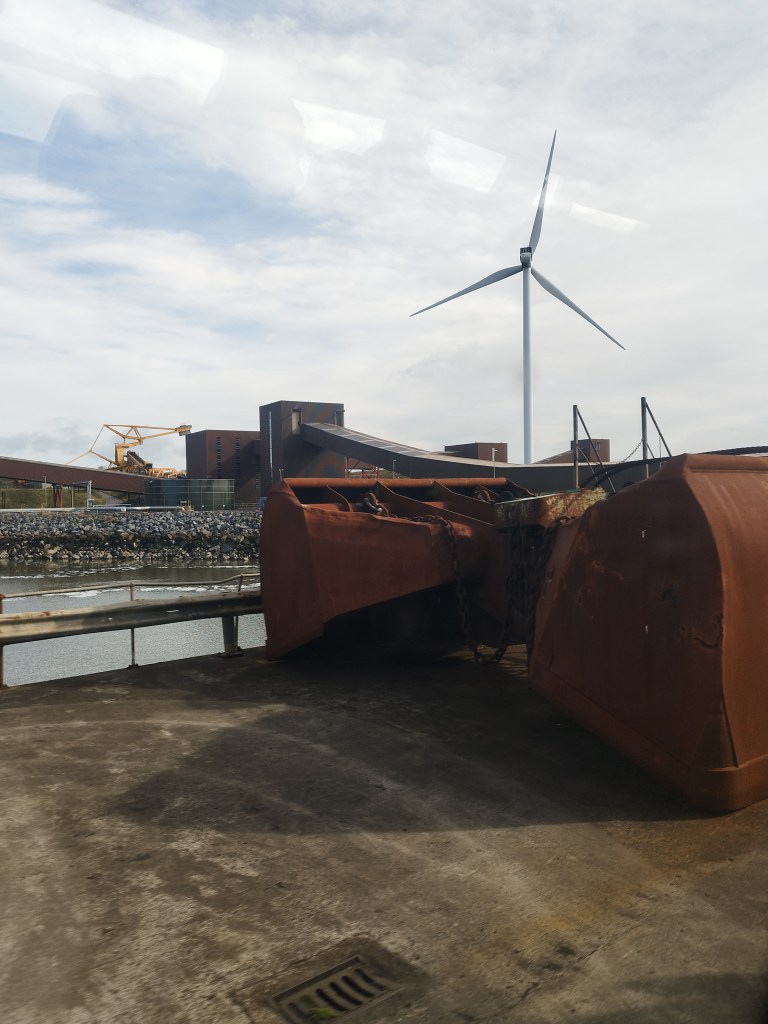
Moneypoint has since been converted to oil, with the last of the coal used in 2025. It also has a number of wind turbines on its grounds connected straight to the grid. Moneypoint is now seen as a back up station but it is still essential to the national grid, without it blackouts could be a possibility. It is envisaged that Moneypoint Power Station will continue to be a major player in electricity generation in Ireland with talks of off shore wind turbines being connected to the grid through Moneypoint but time will tell what it will truly become in the future.

