Knock
All mentioned below are on private property, please do not trespass.
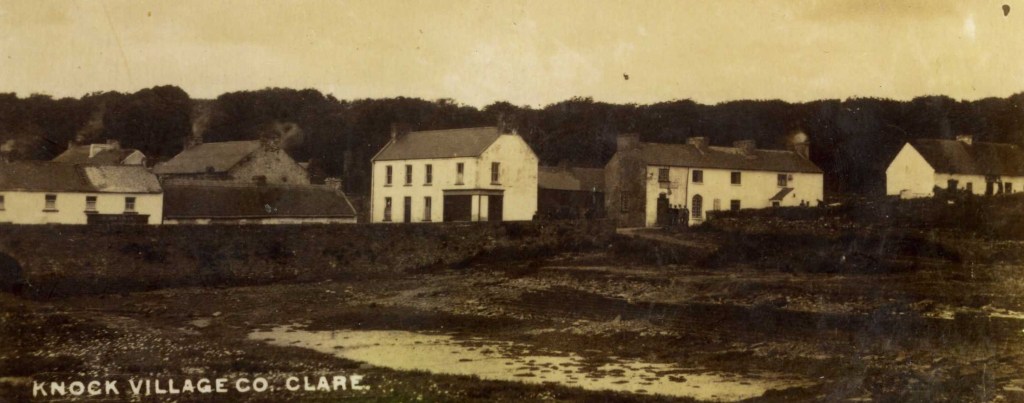
Knock means a hill, so it stands to reason that it was built on a hill in bygone days. It is now situated in a valley by the banks of Clonderlaw Bay. One of the reasons why the villagers moved to the valley was, it was so cold up there and one by one they came down. The land also was more productive from the abundance of sea manure, therefore the crops were good.
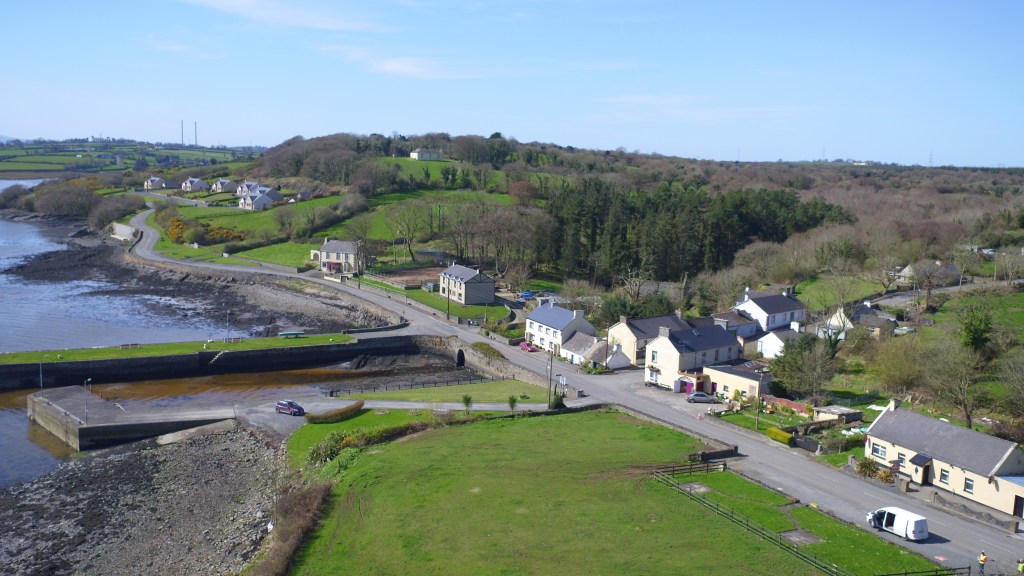
While Knock technically isn’t in our parish it has been adopted overtime. As there wasn’t any pub in Killimer until the late sixties, Knock was the main source of entertainment for our parish for centuries. Even as late as the turn of the century, it was part of the ritual of our men folk to visit Knock after Sunday Mass for an appetiser, while the women cooked the dinner.
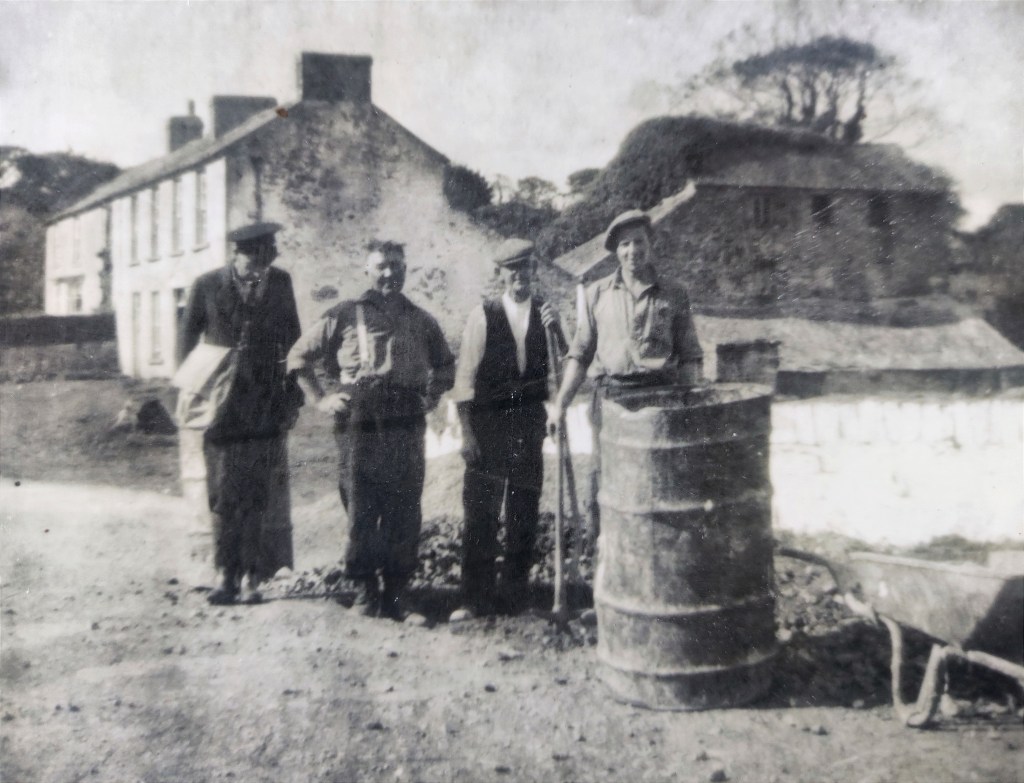
The last Post Master in Knock was Brendan Twomey. The Post Office in Knock opened in 1804 and it closed with him when he retired in 1988. To this day some locals will have Knock as part of their address as a throw back to this era.
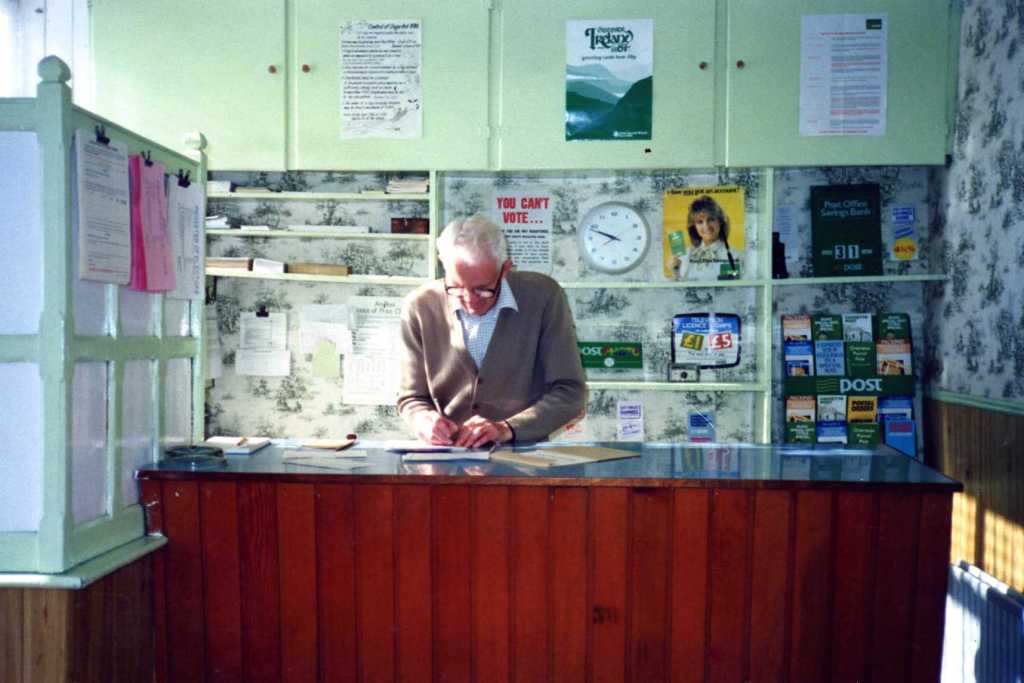
It was also a thriving commercial village, which boasted a fine Quay, a Dispensary, a Post Office, a Boathouse, Ice House, and what is still one of the best preserved Lime Kilns in the country. It was also home to a huge Fishing Industry with Salmon, Mussels and Oysters exported to England. Large quantities of turf was also sold and transported to Limerick and the returning boat brought back Limestone which was burned in the Lime Kiln and spread on the land locally to improve its fertility.
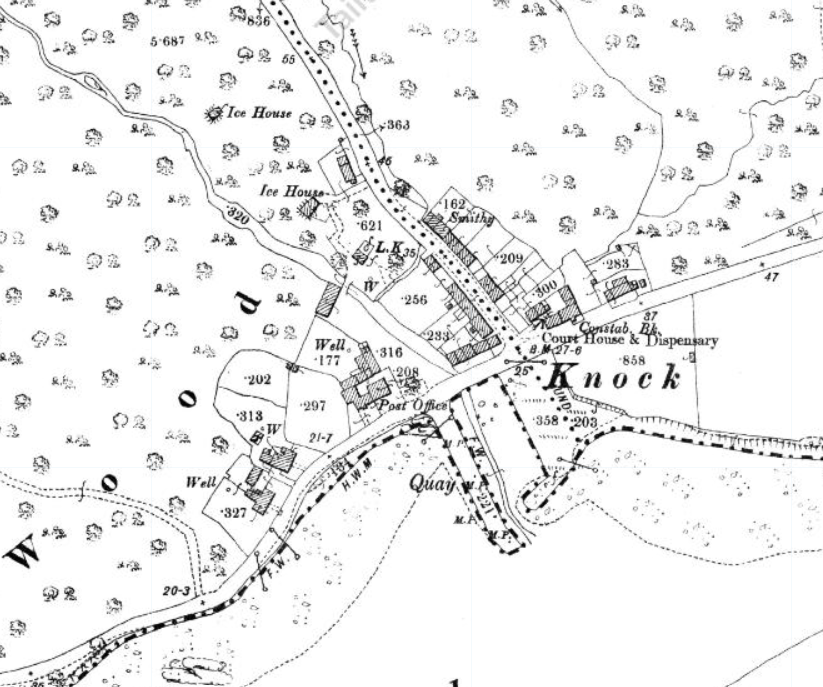
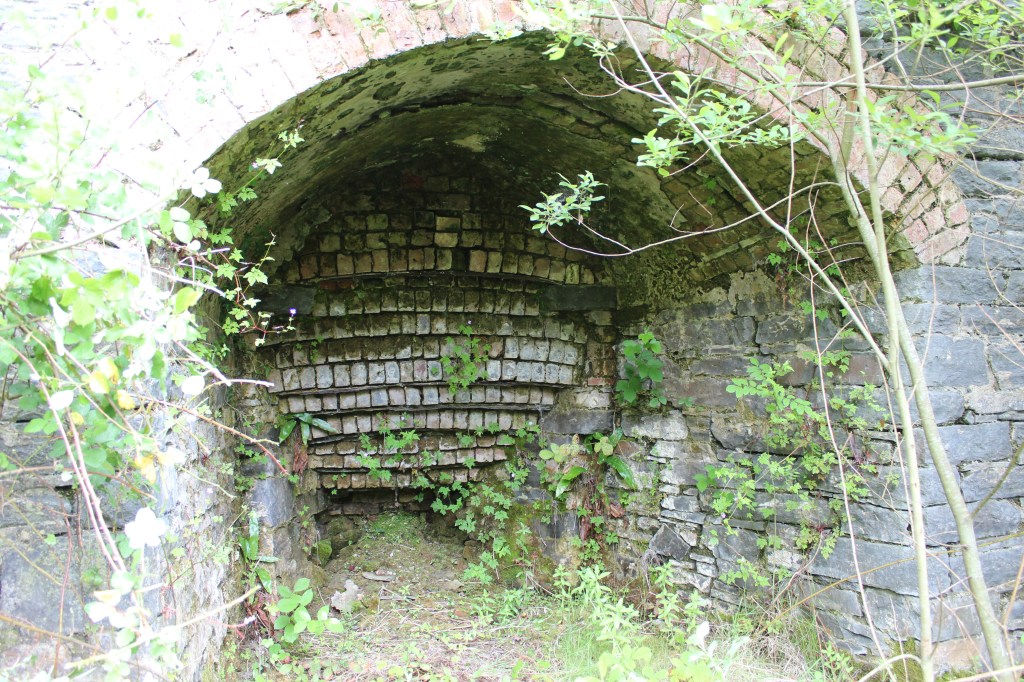
Left is the Lime Kiln
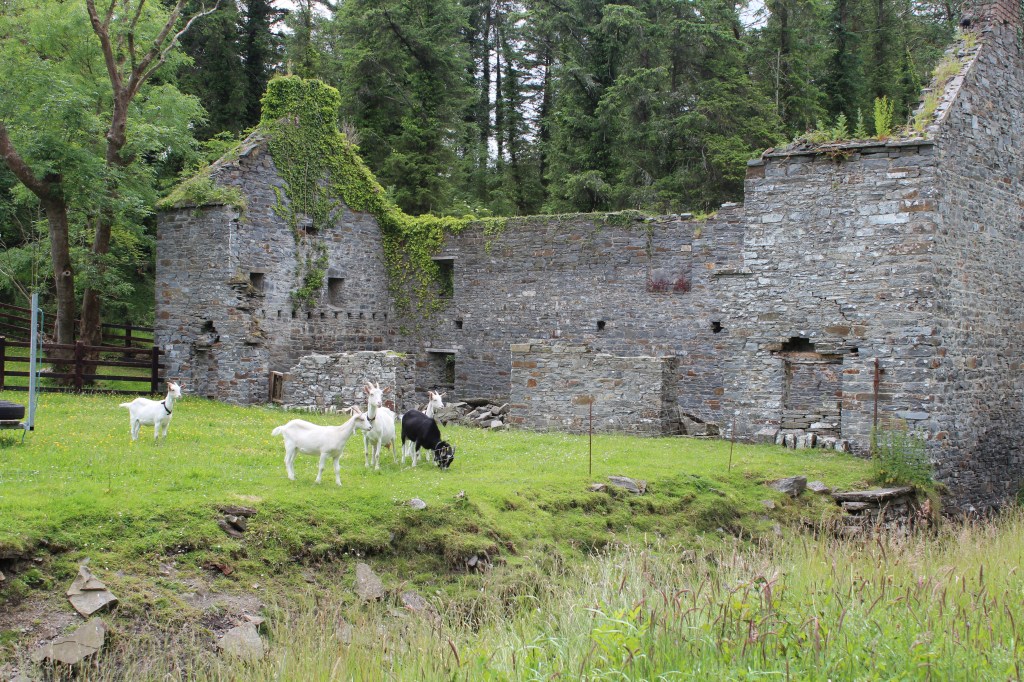
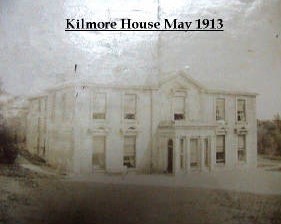
When British Rule was at its height Knock boasted a large Barracks with as many as twenty policemen stationed there, it also had three mansions owned by the gentry who controlled about 4,000 acres of the best land in the area linking with those we already met on our journey east. They were Oaklands, Woodlawn and Kilmore which when at today’s standards were massive with 24 bedrooms. While Oaklands was lived in up until recently enough, Woodlands unfortunately is but a shell and alas Kilmore no longer stands at all as it was destroyed during the War of Independence.
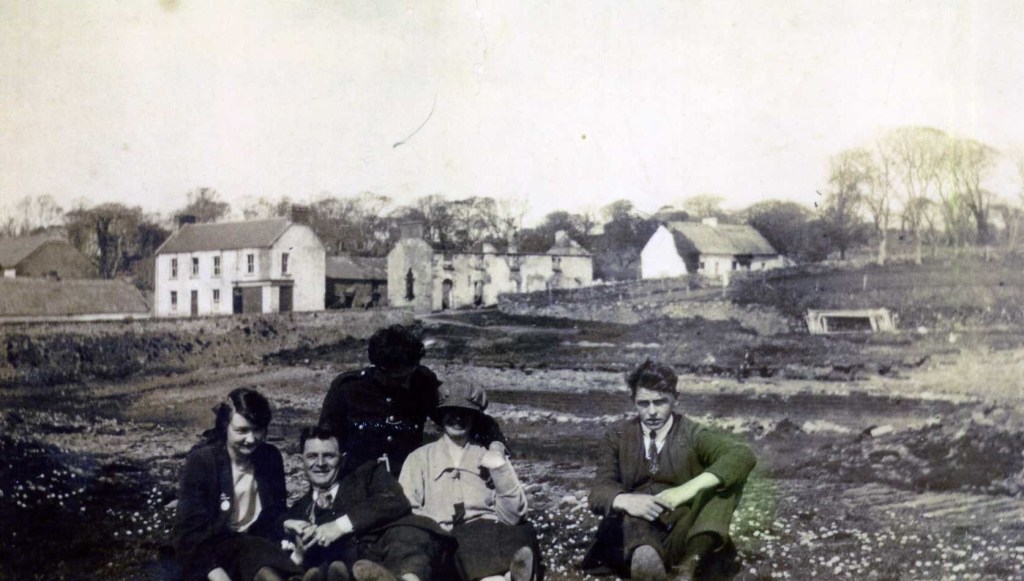
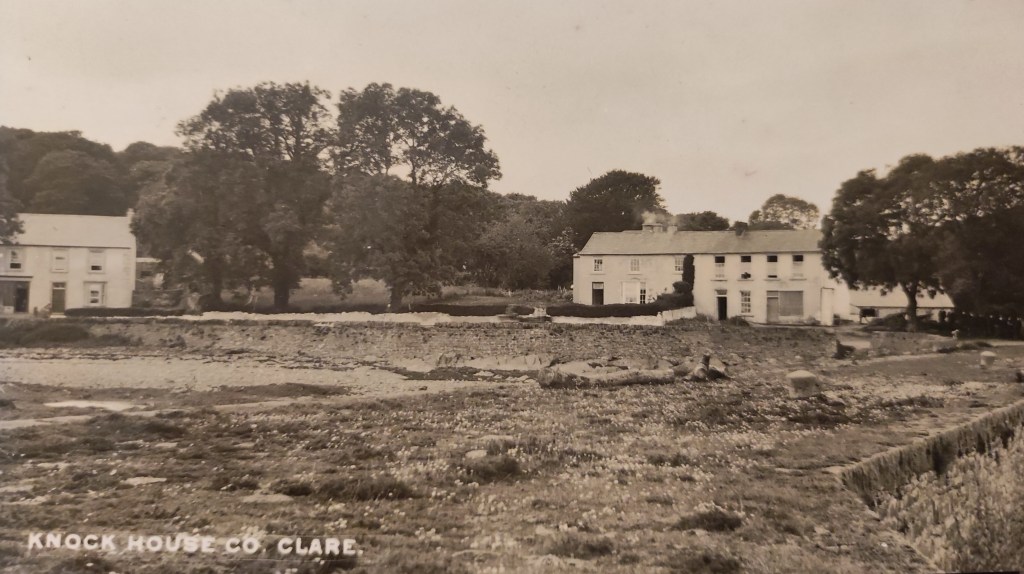
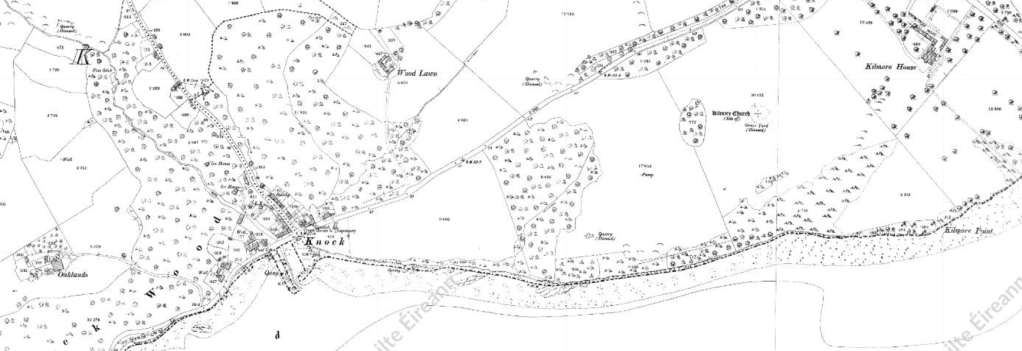
But it’s for social and cultural exploits that this village is fondly remembered. Every generation can recount many great days and nights spent there at different sporting and entertainment events. A number of these events are still spoken about even though they happened 100 years ago like the Tug of War match between Killimer and Kilmurry McMahon that went on so long that the Parish Priest cut the rope as he feared someone would die rather than give up.
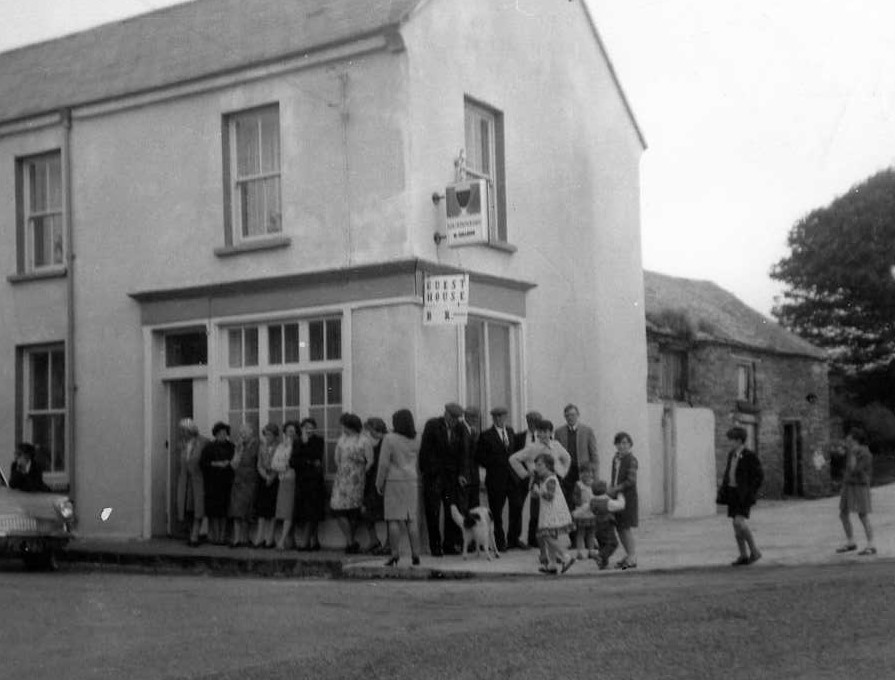
Percy French, the famous Engineer and Songwriter often visited Knock, as he was friendly with some of the Gentry. He is reputed to have written the song “The Darling Girl From Clare” and “Sitting on the Bridge Below the Town” during his visits as he mentions the bridge which was known as Batchelor’s Bridge and he also mentions Katie Flynn who was the village beauty at the time.
The population of Knock about 1830 was 180, which has now declined to approximately 15. It is still a very beautiful and picturesque place to visit and its surrounds are beautifully maintained. Its pub scene still draws the crowd who reminisce on bygone days through rose tinted glasses.
Below is an interview by the late Maurice O’Keeffe with a number of Knock residents, Mary Kelleher, Vincent and Patsy Kelly and Michael and Maura Kennedy conducted c. 2005.

