Clooneylissane Evictions
Continuing our trail of tears we find ourselves at another eviction site. Along this road there were a number of evictions connected with the Vandeleur evictions again. While these were not publisised as much as the Carradotia evictions, mainly due to the lack of pictures, they would have been just as sad and dramatic.
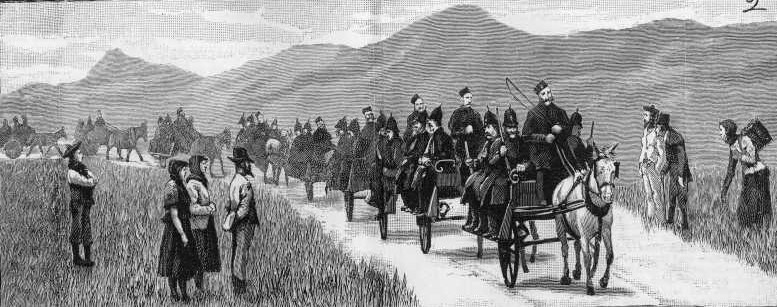
The following is an account of these two evictions:
On the morning of Wednesday July 18 1888, the first motley but martial procession set out. Then the chapel bell tolled, and every shop in Kilrush had the shutters put up and remained thus all day, as an expression of sympathy with the tenants.
The procession moved towards Killimer. The first house for attention was that of Patrick McInerney of Dysart, a 32 acre holding, McInerney was not present and there was no resistance. Then the party moved to the house of James Finucane of Clooneylissaun. The law officers tried to settle with Mr Finucane but he would not break the code of the campaign. He had prepared to resist as the entrance was filled with bushes and heavy pieces of bog deal.
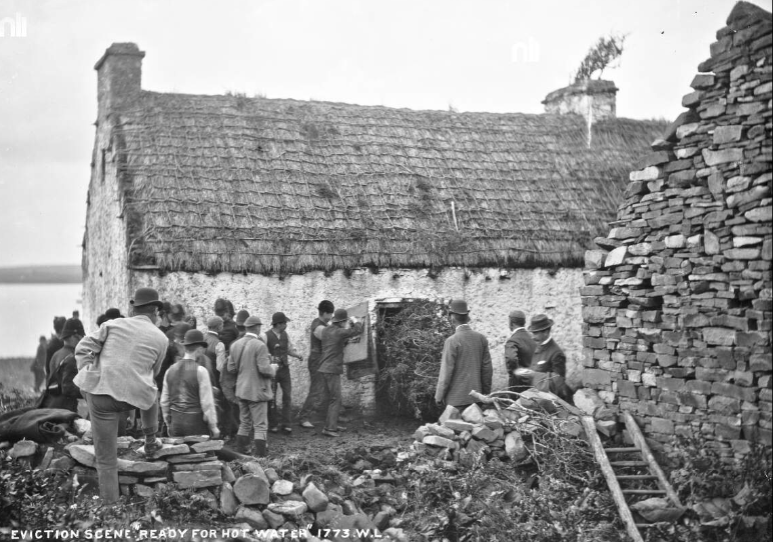
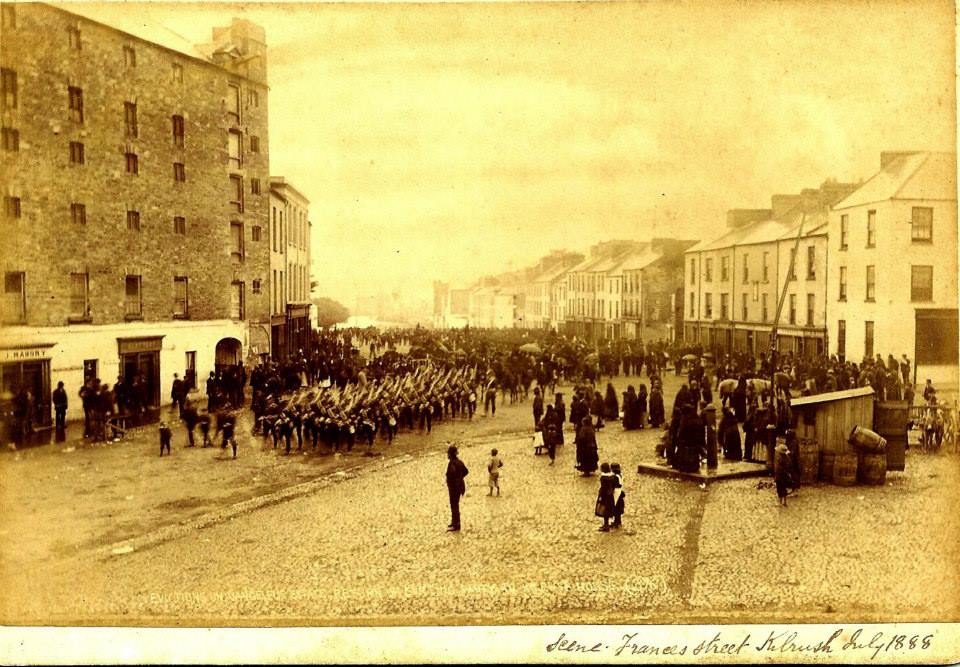
As mentioned above the chapel bell was tolled both in Kilrush and in the Killimer Parish. A statement issued during the course of the evictions by the six priests in the parishes of Kilrush and Killimer shows a more ambivalent expression of their attitude towards the Plan of Campaign compared with their support in May 1887 for a resolution calling on the tenants of West Clare to join the Plan. The change, however, was merely verbal and was related to the condemnation of boycotting and the Plan of Campaign, in a decree from Rome, issued a few months previously in April 1888. As a result, the statement sent by the priests of Killimer/Kilrush to the Lord Mayor of Dublin, reacting to comments made by the Irish Chief Secretary in parliament, while the Vandeleur Evictions were in progress, was very carefully worded.
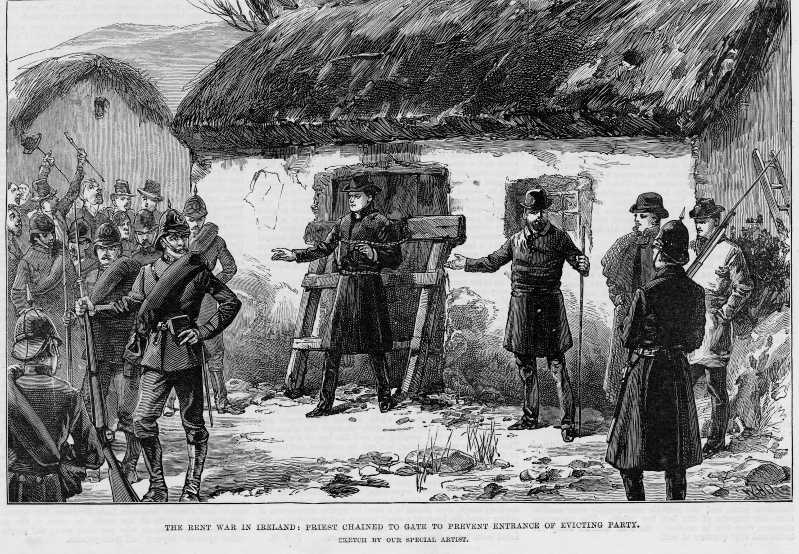
Kindly say for local Priests that they never stated they were responsible for adapting the Plan of Campaign, but believe that tenants were justified in doing so. It was the undoubted influence of the priests more than that of the forces of the Crown that preserved the peace. The Priests had nothing to say to tolling the bell, believing that the tolling of the bell, like putting up shutters, was a mark of sympathy for tenants to be evicted.

