Molougha
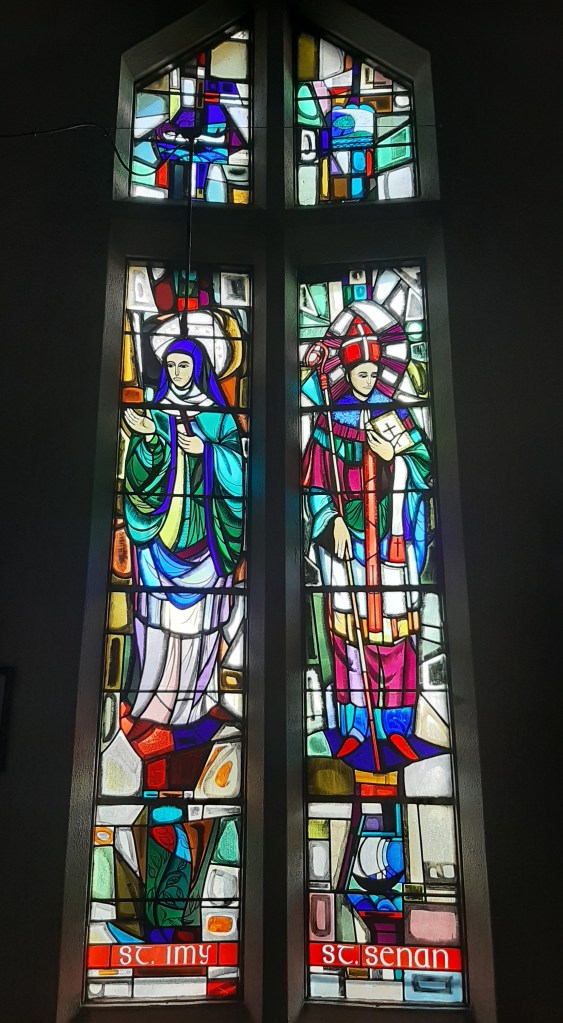
We start our journey from one of the highest elevations in the praish. Where you stand you have a beautiful view out over the Shannon like the other two graveyards in the parish. Few parishes have the unique distinction of having the birthplace of two saints, and more unique still they are brother and sister – St. Senan and St. Imy. It is believed that they also had two brothers by the name of Cael and Liath but little is known of them.
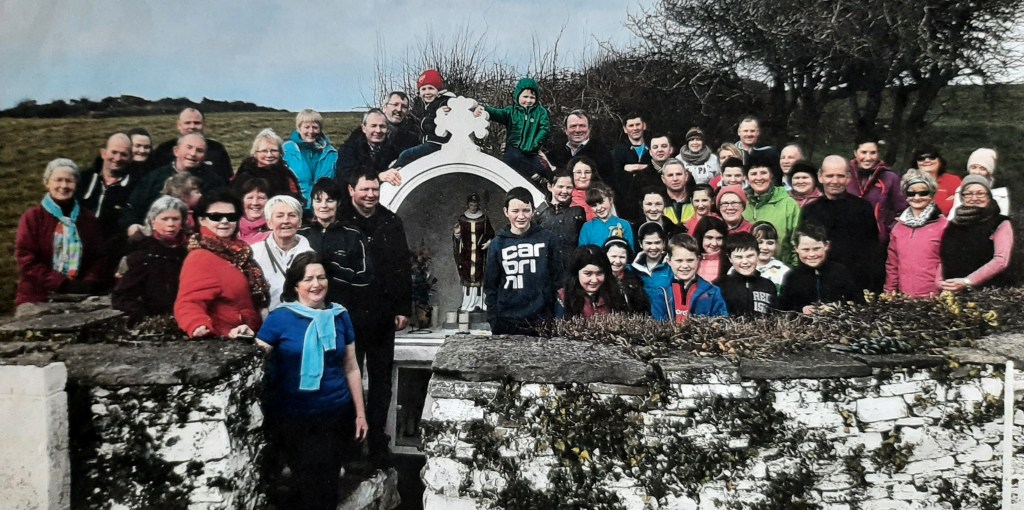
They were born here in Molougha, you can see the plaque at a white thorn bush just to the east of the graveyard. It is generally accepted that our parish acquired its name from St. Imy – Cill Imí(Church of Imy).
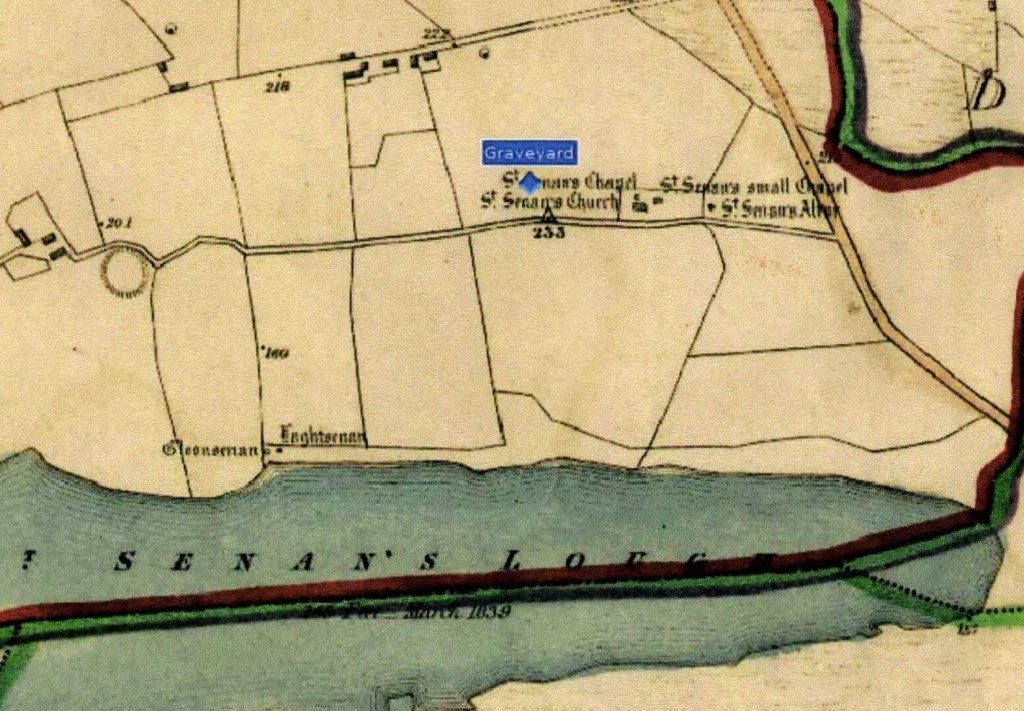
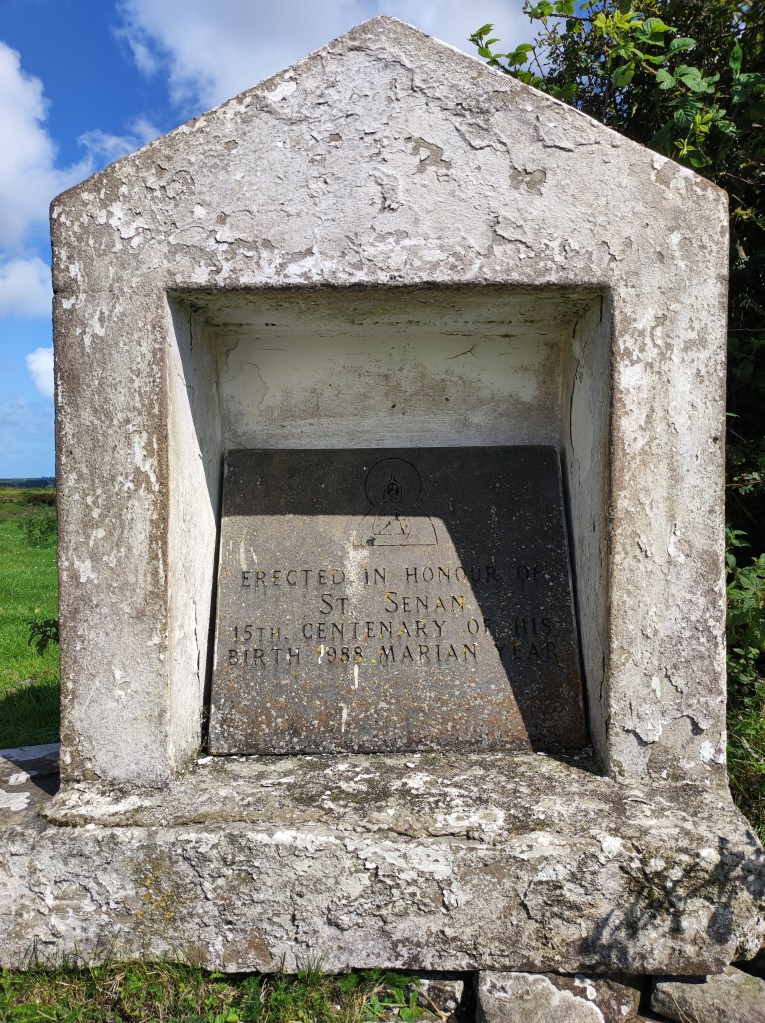
St. Senan was born in AD 488 in Molougha to noble and devout parents, Erchan and Congella. His early life is marked by legends, including a bush blossoming at his birth and a miracle where he produced water from a rush, forming what became St. Senan’s Lough. As a child, he also showed spiritual authority by commanding crows to protect his family’s crops while he attended prayers.
As he grew older, Senan experienced a spiritual awakening near Dún Meachain and chose to dedicate his life to God. He trained under monks such as Cassidan and Natalis, preparing for religious life through prayer and discipline. Senan later became a travelling missionary. He founded religious communities in Ireland, Wales, Cornwall, France, and Brittany, and was eventually consecrated as a bishop in Rome. Inspired by St. Martin of Tours, he spread Christian teachings widely and revisited the communities he established.
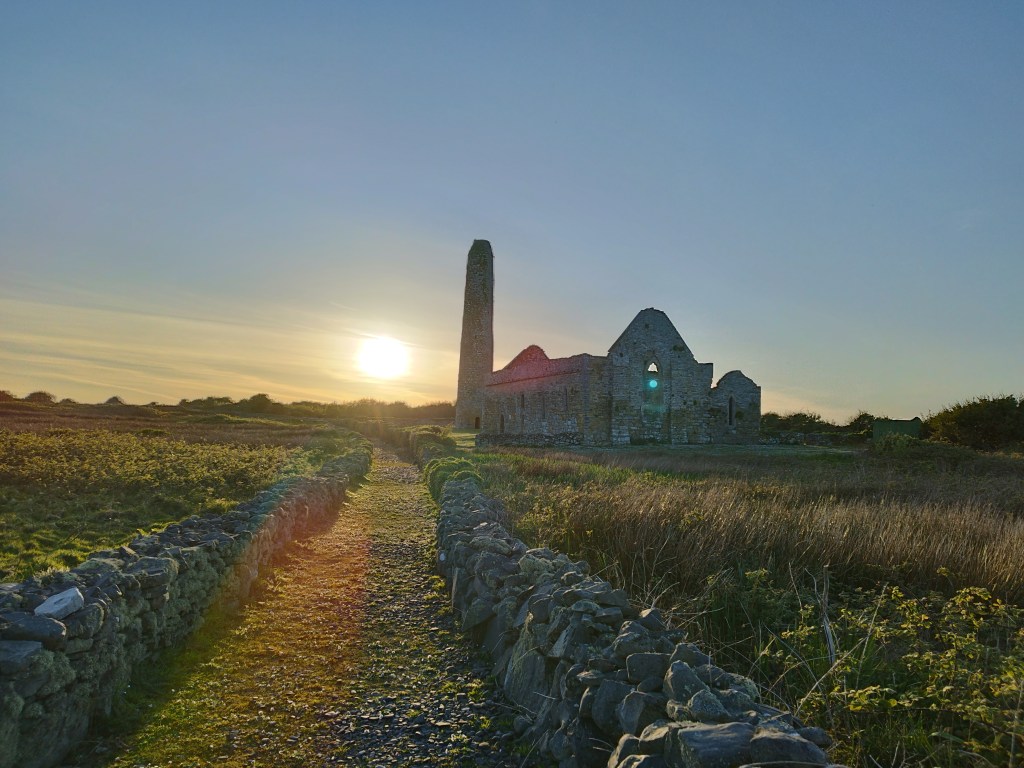
Returning to Ireland, Senan founded several settlements, including his most important monastery on Inis Cathaigh (Scattery Island). There, he and his followers built churches, a school, and a round tower which you can see from here as you look to the west. Legends tell of him discovering a fresh water source on the island and banishing a sea serpent with the help of the Archangel Michael. He died in AD 544 and was buried on the island.
St. Senan’s feast day is March 8th, and his birthplace at Molougha remains a site of pilgrimage, traditionally visited on June 29th, where devotees perform prayerful “rounds” in his honour. His well, which is famous for a cure for horses, is in a local field down near the lake and in the past this would have been part of the “rounds” that were done for his feast day.
This well is on private property so to visit it you must get permission from the land owner, you can enjoy our drone footage instead.
Below is a recording by John Mulqueen, who lives locally and has worked on Scattery Island as a tour guide, to give a quick summary of it all.
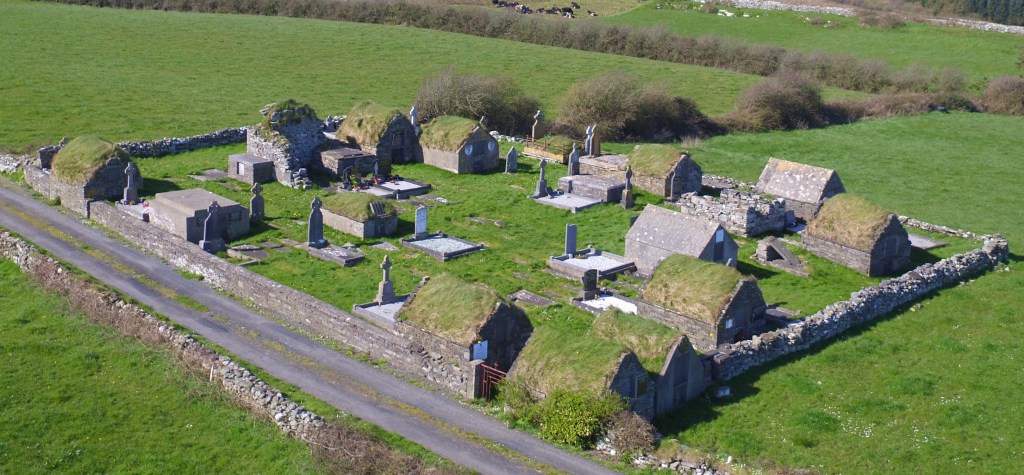
In Molougha today the evidence of the ruins of a church, the west gable only, remains. Near the church is an oratory measuring c.12ft 6in by 6ft 9in. Surrounding the church and oratory is the graveyard with very beautifully constructed vaults and ornate flagstones, a unique sight indeed.
For anyone trying to find a specific grave in Molougha please click on the link below.

