MacLachlan’s
These are private properties please do not trespass.
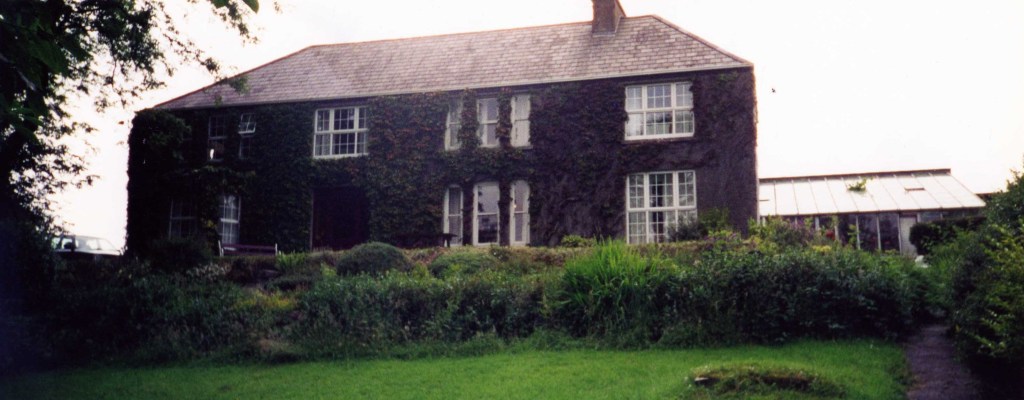
As you head south again you come to the base of an avenue that leads to the old Maclachlans house. James MacLachlan from Scotland came to the quarry as a ganger (a foreman) with a mining company to quarry flags c.1879. The mining company did not pursue the enterprise but Mr MacLachlan decided he could make it work. He first rented and later bought the quarry that you would have seen if you went to the Top of the Hill focal point. When he came first, he lived in Sunbeam Cottage where the O’Briens lived, you would have passed this on your left as you came from the old Knockerra church as far as Knockerra village. He later built a two-storey house at the end of this avenue adjacent to the quarry as his residence – Knockerra House. He also built a smaller house overlooking the quarry which was used as a watchtower.
Knockerra Quarry was famous for its colourful stone. Its stone has gone to Dublin, Kerry, Wexford, etc. It was used for crazy paving, facing for paths and also for building walls. It is visible on the walls of the Killimer Ferry Terminal and on houses in Kerry. Mr Talty of Donogrogue Castle opened the quarry first. He took the land in tenancy from Batt Culligan, the landlord of the time. He worked it himself and he sold flags for culverts from it. It then went to the mining company and sequentially to Mr MacLachlan.
James MacLachlan employed locals to do the work in the quarry. He paid 10/- (ten shillings) a week in summer when the hours were 7am to 7pm. In winter the pay was 9/- a week with hours from “dawn to dusk”. This was considered a reasonable wage as the men had little plots of land which they used to grow crops and perhaps keep a few cows for milk, etc. The men’s dinner consisted of dry bread and often black tea which was taken to work in canteens and boiled up again at dinner time.
James supervised the work every day. The stone was shaped into rectangles called sets. Kerb stones were made in the same way and were used to pave the verges of paths. That stone was blue tinged. There were different grades of stone in the different sections of Knockerra Quarries, i.e. flag stones, for land drainage, building stone and gravel for road building.
The rock in the quarry had to be blasted. A giant chisel, called a jumper, and a sledgehammer would be used to make a hole in the rock. Some explosive would be placed in the hole to make an explosion which would split the rock. In the 1940s a crusher was introduced and it was used to break the stone – it was worked by steam.
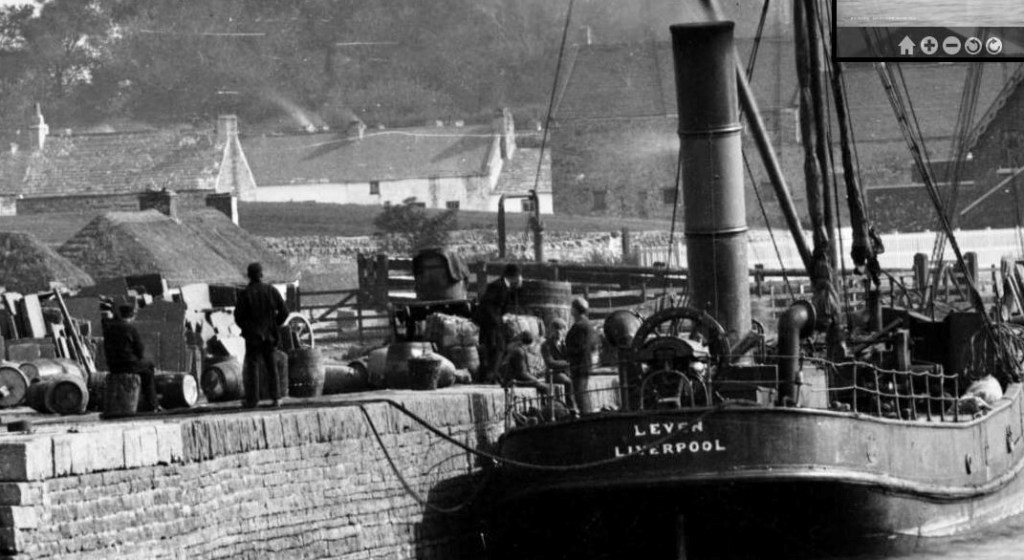
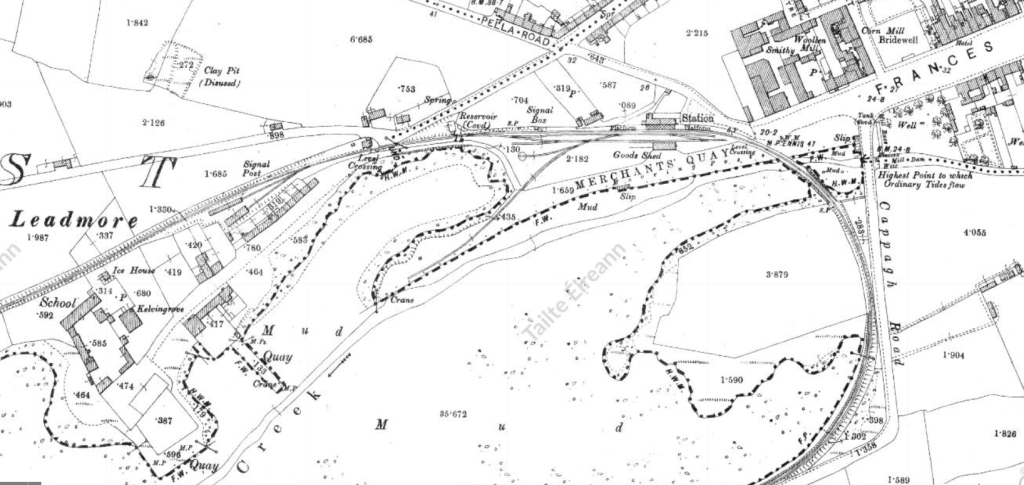
Mr MacLachlan also employed locals to cart the stone to Merchants Quay, Kilrush for shipping to Scotland, England, Holland, Germany and Belgium. The waste stone was broken down with hammers and used on roads.
Mr MacLachlan brought his wife and two babies to Knockerra. They subsequently had nine more children – seven sons and four daughters. Though a Presbyterian and living among a purely Catholic people, the MacLachlan family were always on the very friendliest terms with their Catholic neighbours and mixed in all their sports and social events. They received their early education at the local National School in Knockerra, later at the Christian Brothers in Kilrush, and always spoke highly of their school days there. All the children emigrated to various parts of the world but one son named Duncan, who had been Governor of one of the Indian States, returned to Knockerra with his wife Doris to live, in their later years.
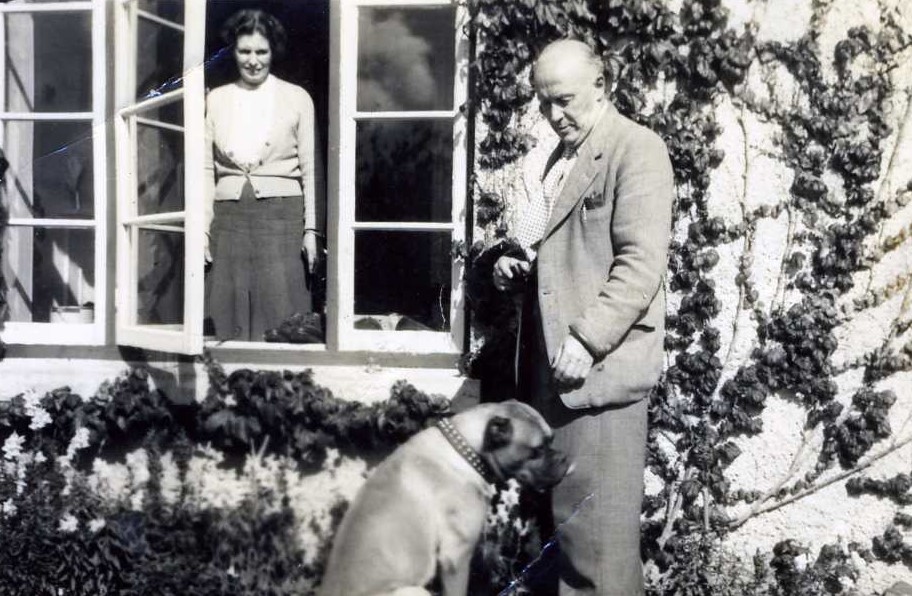
Knockerra House is now owned by the Troy family whose forebears are named as workers at the quarry.
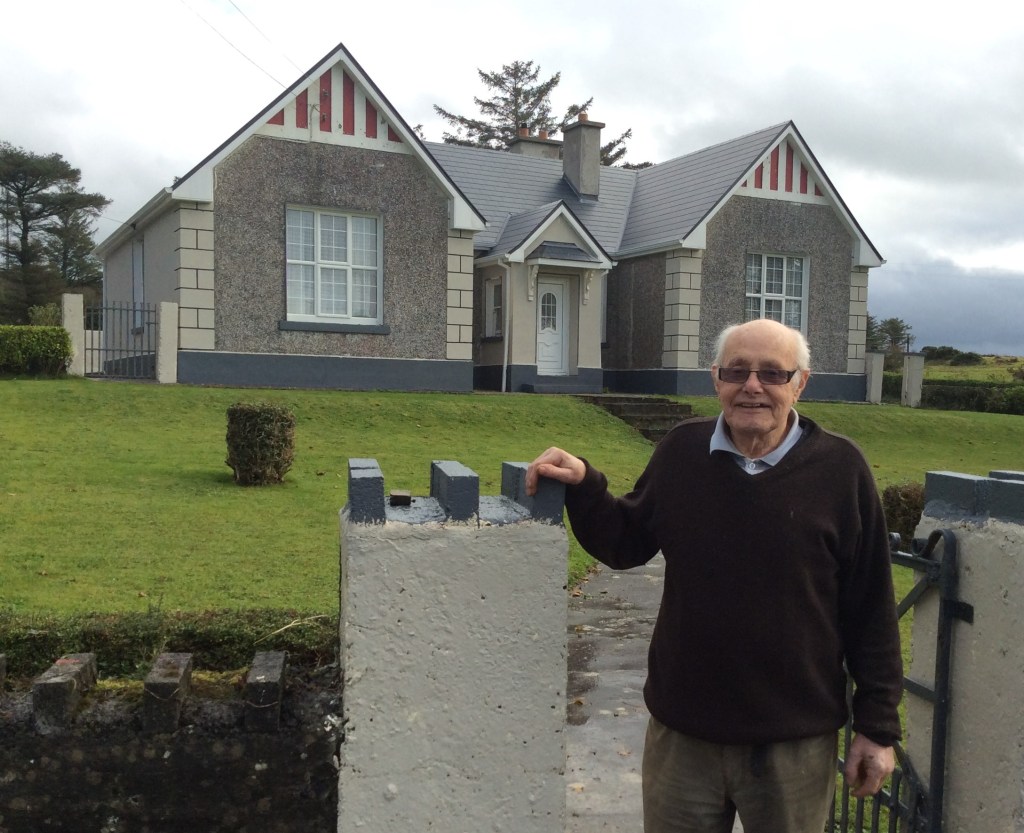
The house that you are currently looking at, at the start of the avenue, is the old presbytery house, which has since been renovated. This house, along with the parochial house, were very important and respected houses to parishioners. One would have come up the driveway cap in hand looking for a reference, a blessing for a sick family member or a ticket to America. All aspects of life would have been discussed in the parochial house, usually formal rooms would be found to the front and a busy kitchen where the priest’s housekeeper held court at the rear of the dwelling. The curate resided in the Presbytery in Knockerra, this house you are currently at, while the Parochial house was the residence of the parish priest, which is in Donail.