Lime Kiln
This is on private property please do not trespass
At the final point of this heritage trail is a wonderful example of a Lime Kiln that can be clearly seen from the road. Since the field has been cleared its much easier to see. Lime-burning in home-constructed lime kilns provided lime for the home, the land and the community. The tradition of lime-burning was a healthy occupation as inhaling of lime dust helped to clear the lungs. In our parish it was conducted mainly for personal use of the landowner and there is no doubt neighbouring farmers benefited as well. This tradition ended in the late 1940s with the manufacture of factory-produced lime in the years following World War II.
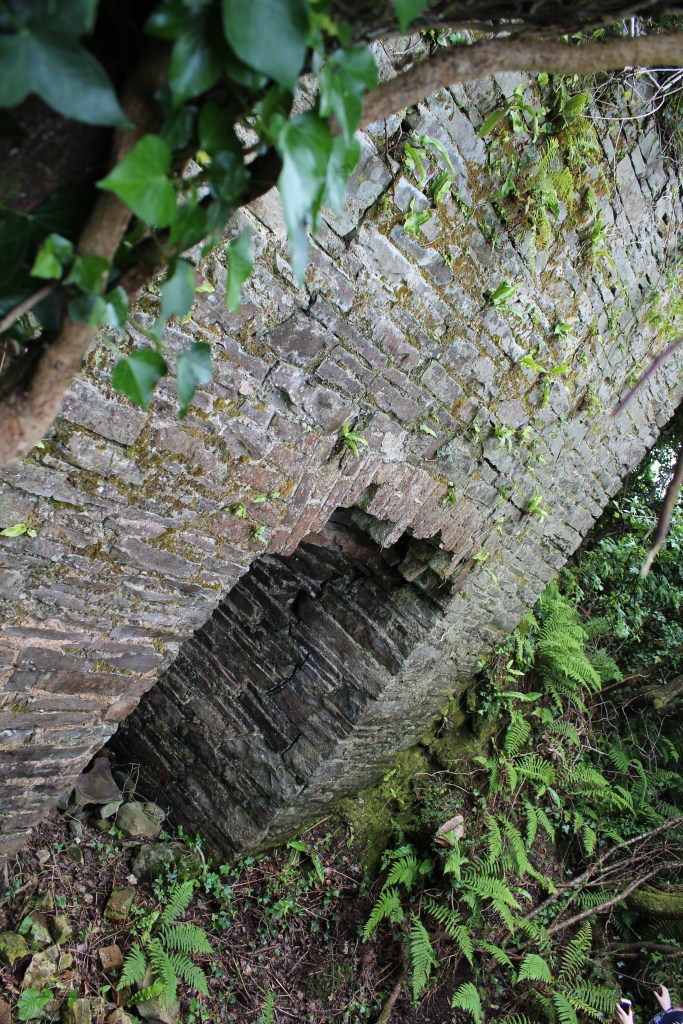
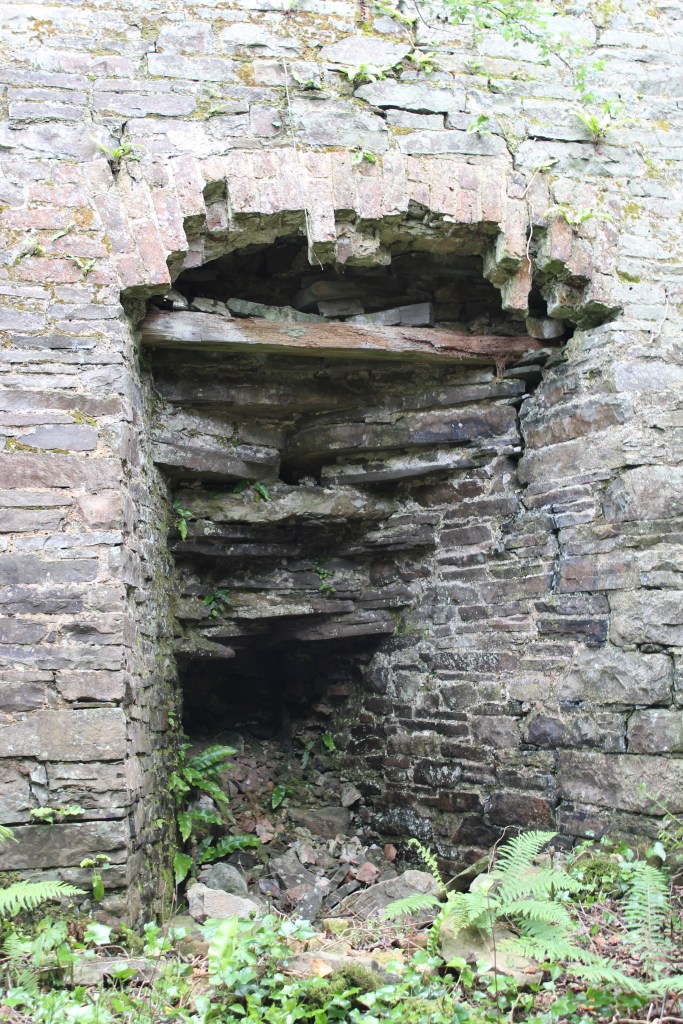
This Lime Kiln in Donogrogue would have been a privately owned in kiln.
In order to prepare the lime kiln for burning it was necessary for the lime burners to draw a large quantity of limestone rocks or field stones to a location adjacent to the top of the kiln. These were then broken down to smaller stones with sledgehammers. The limestone used in our parish came from West Limerick by boat across the Shannon to Poulnadaree Quay (Rochford’s) and then transported by horse and cart to the lime kiln.
A layer of sticks was then set into the fireplace and pressed firmly, topped with a layer of turf and then a layer of stones was placed on top of this. This layering continued until the filling reached the top of the kiln, usually about eight layers (in larger kilns), the fire underneath was lit and it generally took two days to transform its contents into lime. As with all farming activities the weather played a very important role in this process – calm and dry days were considered the best. Of course the heat of the fire was very important and this depended on the quality of the fuel and a rota of workers was required to be on duty both night and day to keep the fire continuously burning. A roaring sound would be heard from the burning kiln and indeed the heat from the open top would be intense and difficult to keep fuelled. Rocks of limestone were thrown into the kiln and heated to such a temperature (900 degrees) that only the lime remained. When the lime came from the kiln it came out both slack (fine) or rock form and could be used either way.
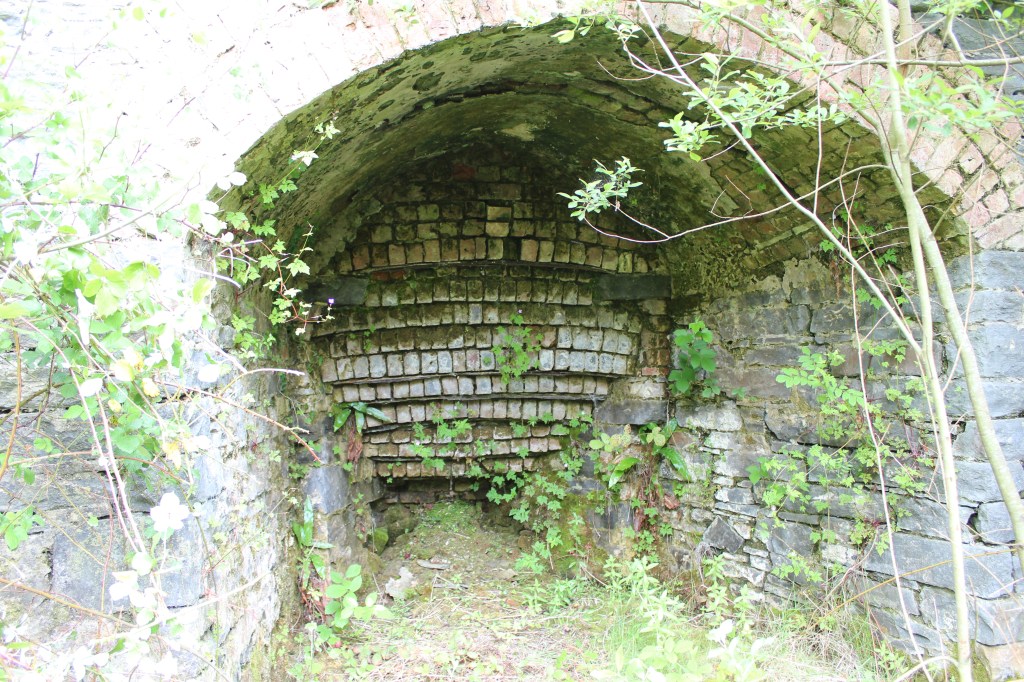
This is the Lime Kiln in Knock, this would have been an industrial Lime Kiln.
Interesting uses for lime in earlier days:
- This white powder was not just useful as a mortar and stabiliser for building walls but also as a fertilizer for the fields.
- Farmhouses and outhouses (sheds) were whitewashed inside and outside as well as all visible rafters. The kitchen was white-washed more often, especially at Christmas, Easter and for the station masses – the bean an tí would not let herself down as the neighbours would be talking! Keeping up appearances was very important back then.
- Schools and public buildings were also whitewashed in the same manner. Due care had to be taken when whitewashing, as lime burned the skin and eyes.
- Builders used lime for building and plastering and rendering underneath slates.
- Lime was scattered in the poultry sheds to kill lice in the fowl and to act as a preventative to the dreaded fowl disease called “the pioc” –a chicken cough henfluenza!
- Lime was also shook on the carcass of a dead farm animal when it was being buried, as the animal decomposed faster and it avoided the spread of disease.
- Lime was mixed with bluestone and washing soda and sprayed over the potato crop to prevent blight.
- Annually the well, which was the only water supply for the house, was teemed (emptied) and lime was sprinkled into the well to purify the water.
This is the final stop on this trail, and the road ahead leads back up to Nolans cross. We hope you enjoyed exploring this historical trail and gained a deeper understanding of the past.
If you would like to continue your journey, there are two more trails to discover — In the Footsteps of Saints and The Burrane Triangle.

