Bicentenary of the Colleen Bawn
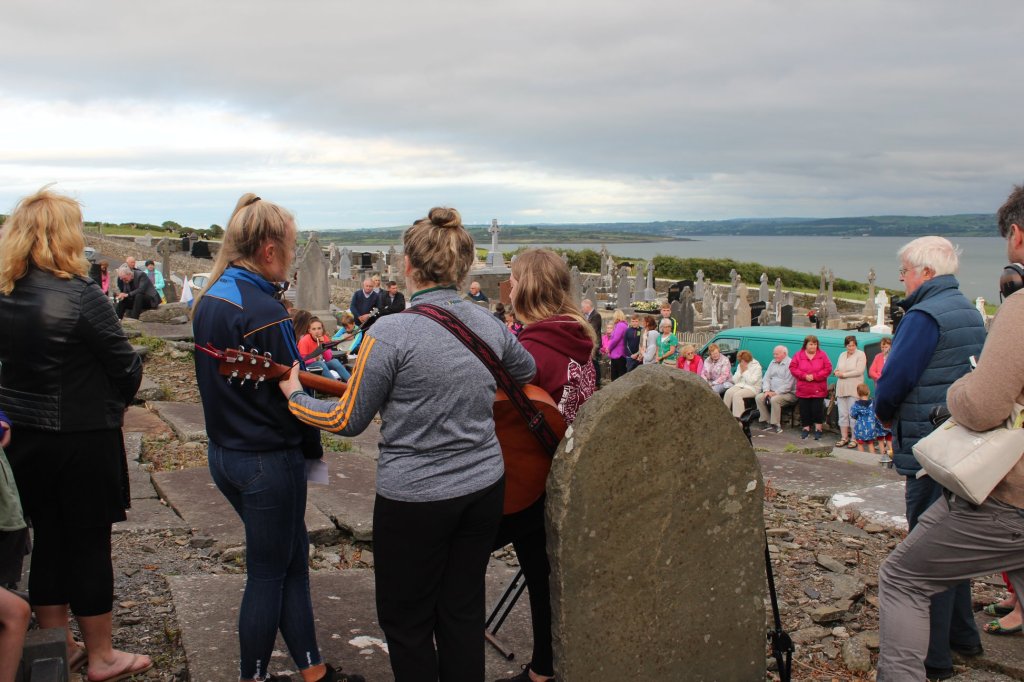
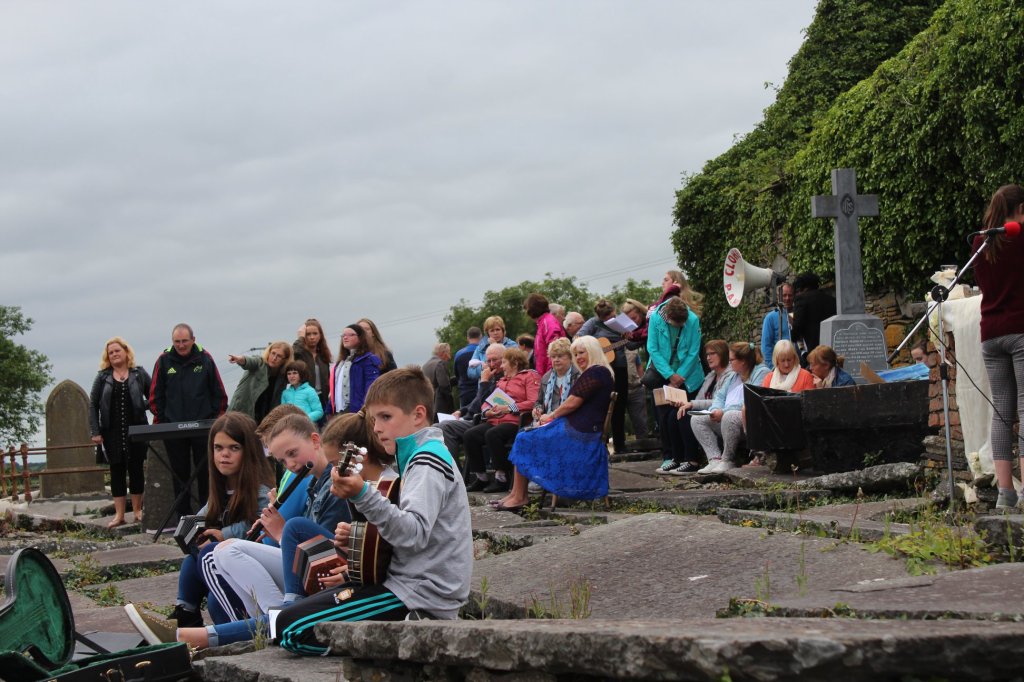
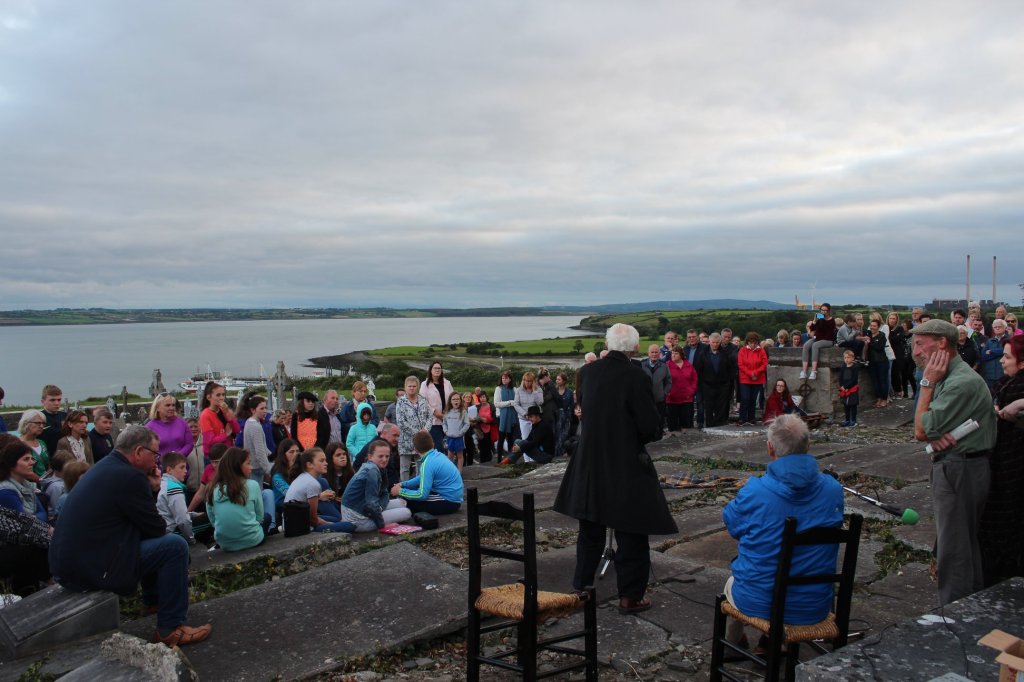
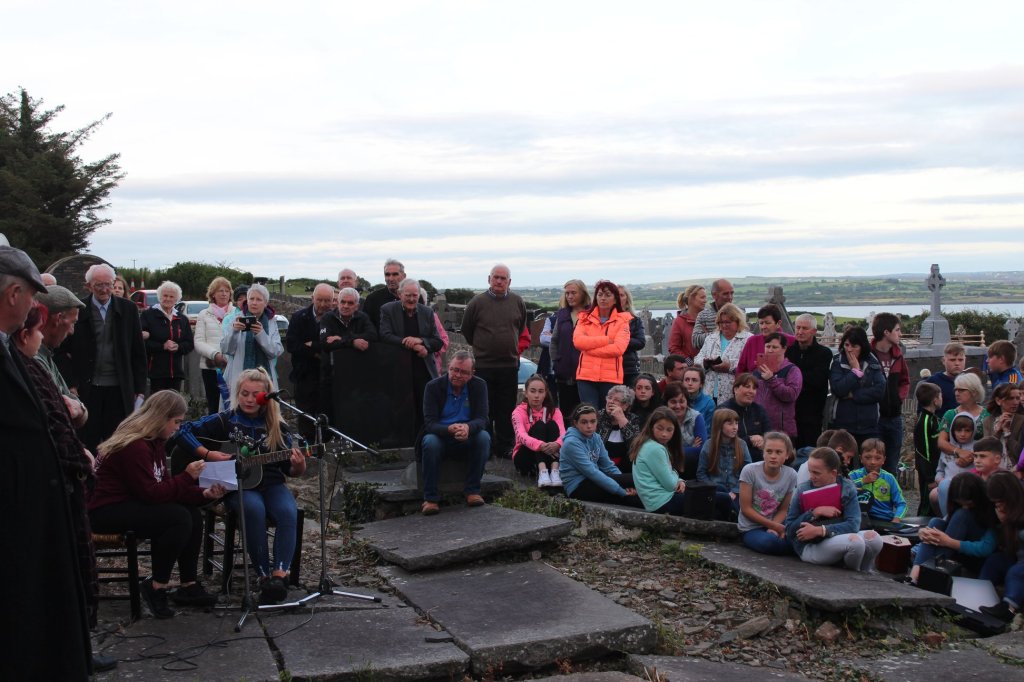
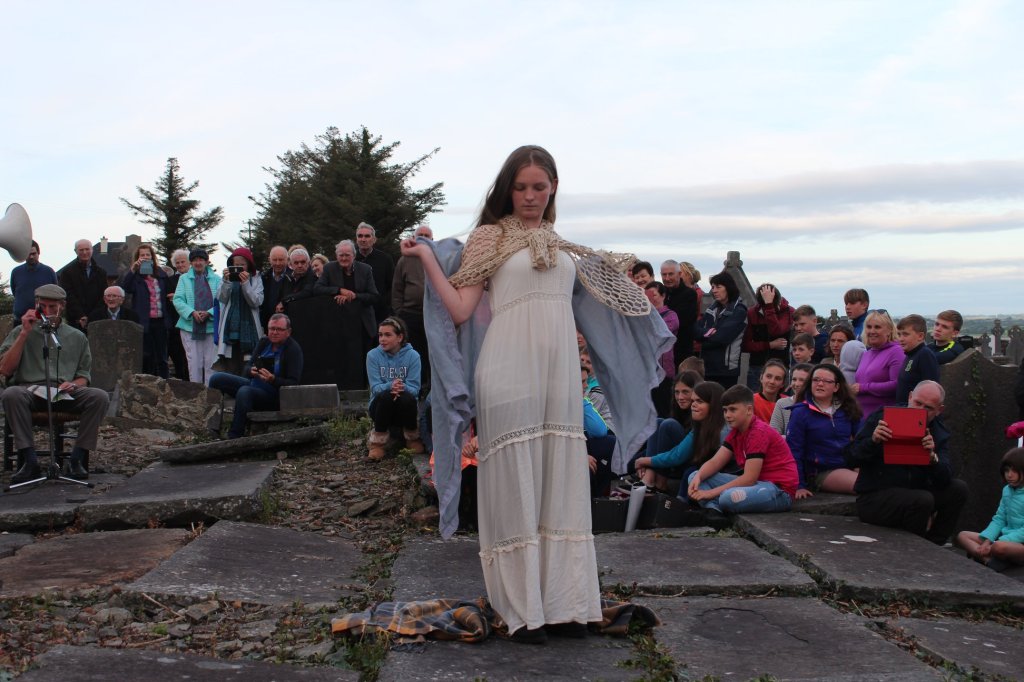
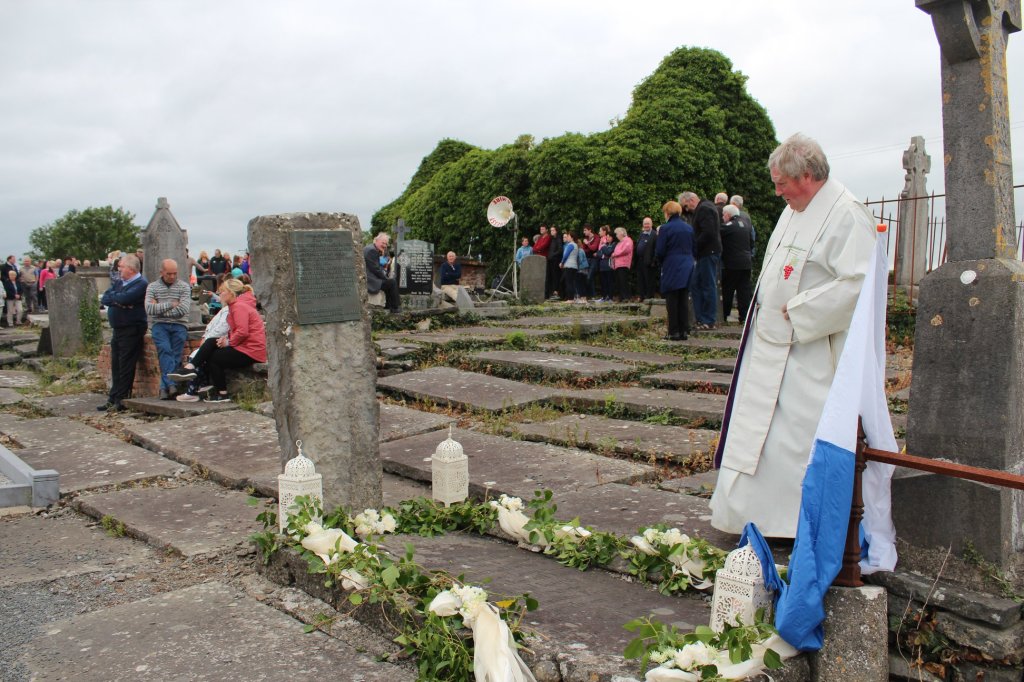
Old Burrane graveyard was a hive of activity on the evening of 12th July 2019, compared to its usual peaceful atmosphere. This was due to the fact that we commemorated the bi-centenary of the tragedy of Ellen Hanley, better known as the Colleen Bawn, who is buried here.
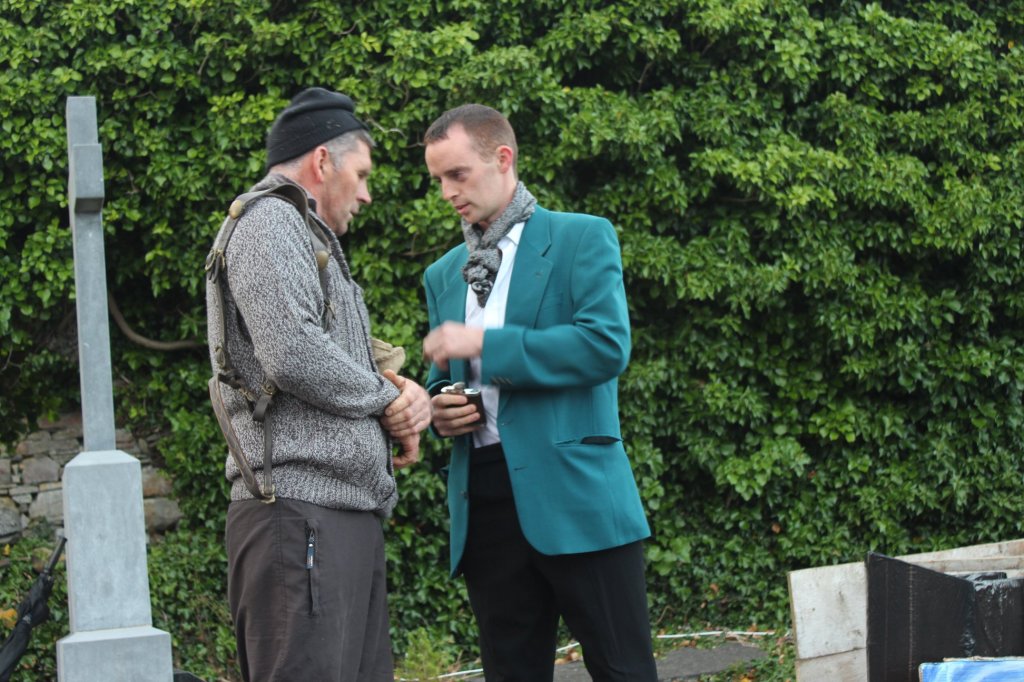
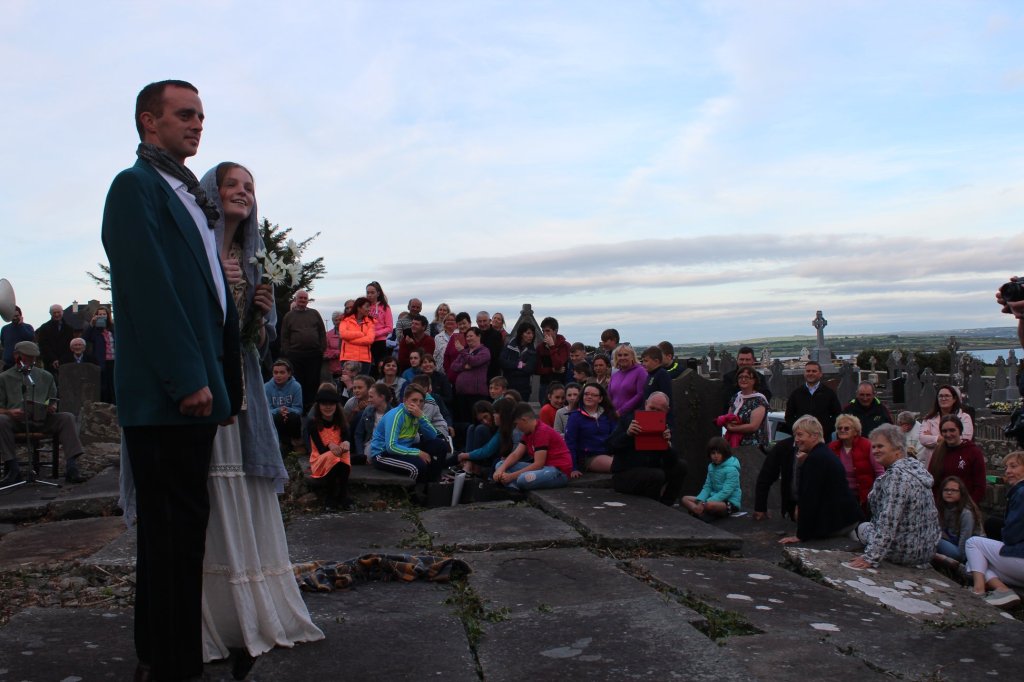
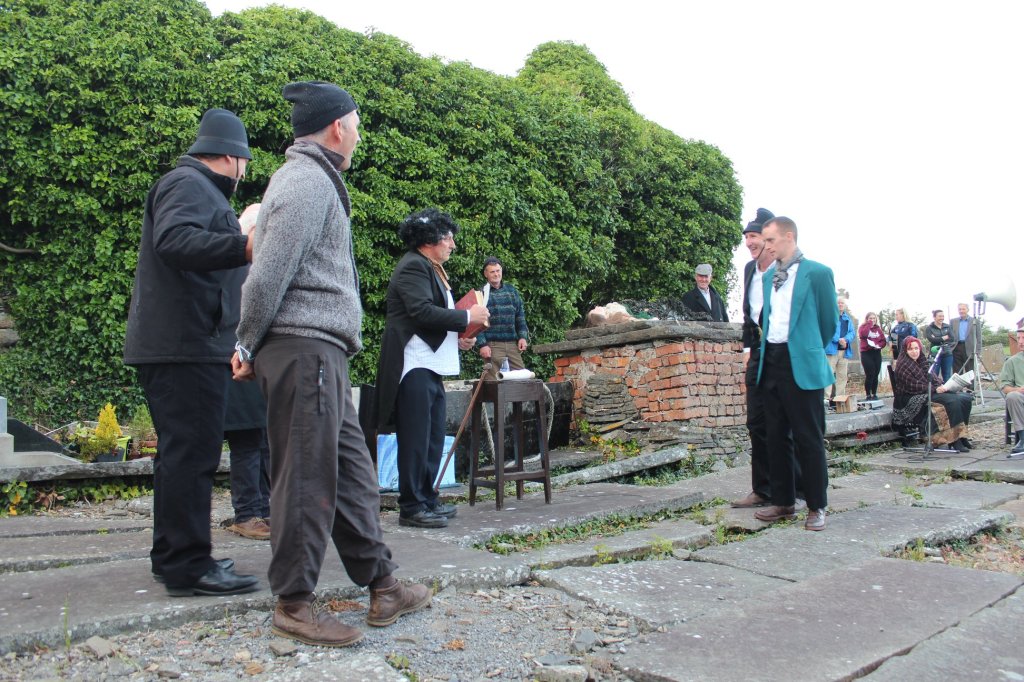
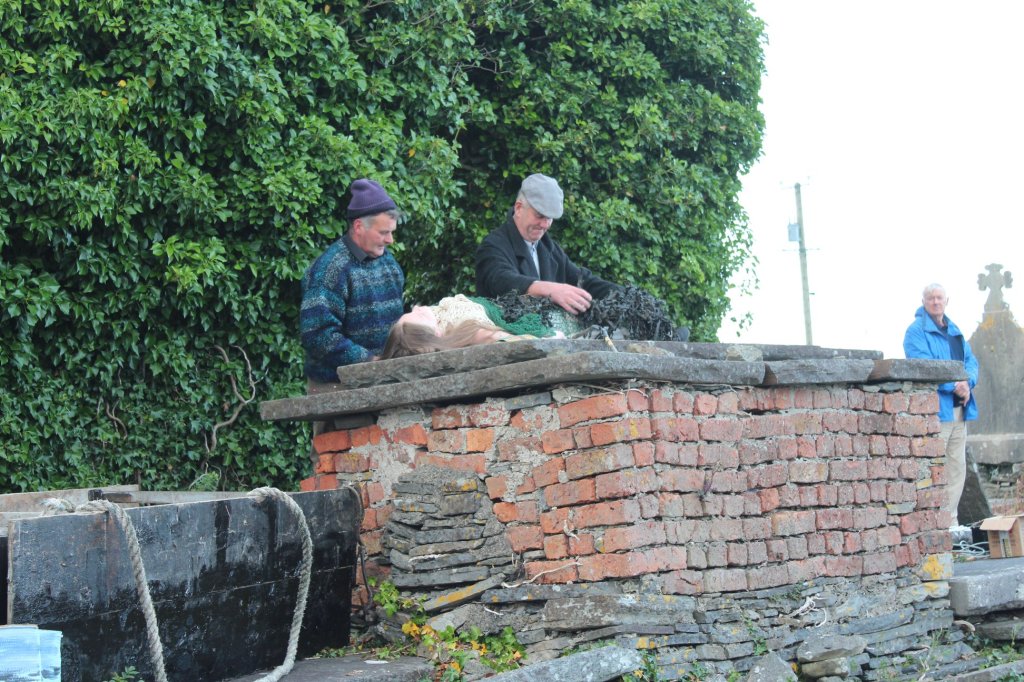
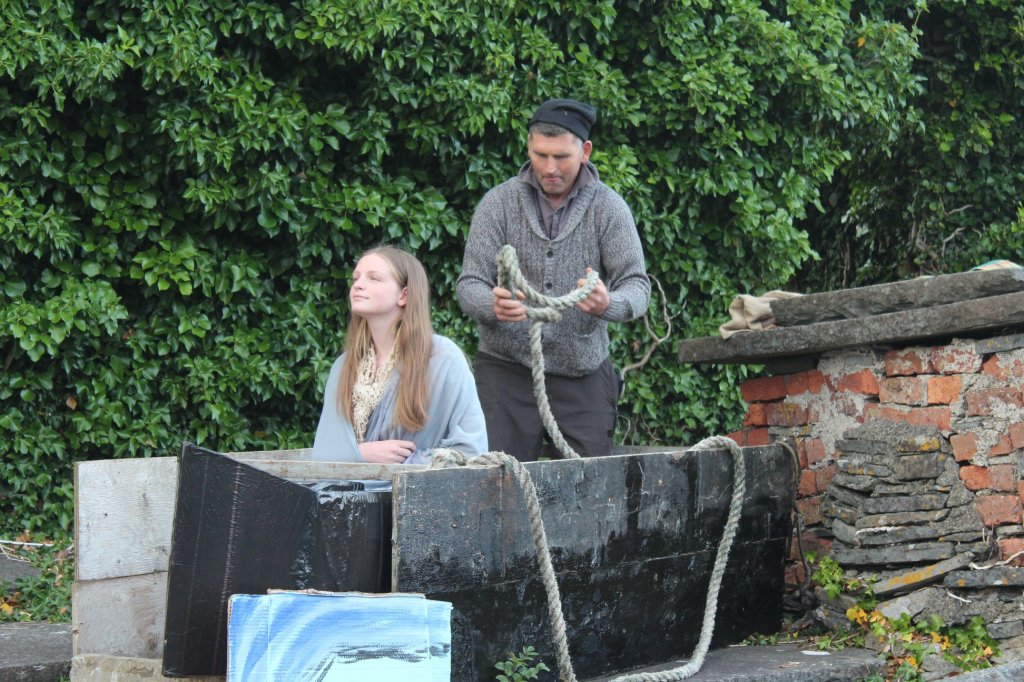
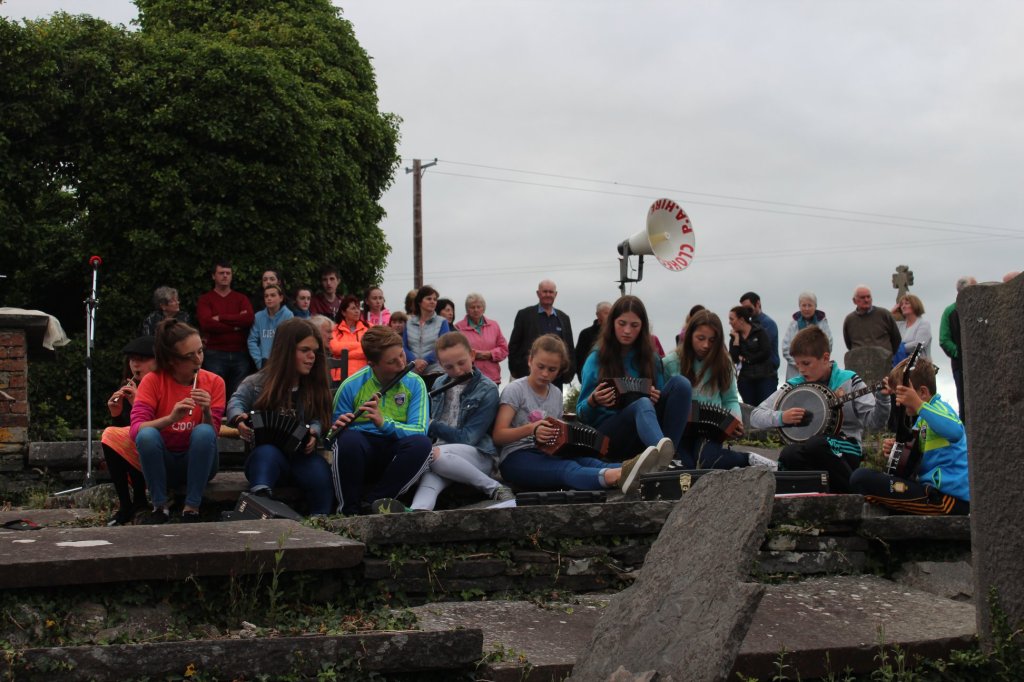
As a local history group, we felt it would be appropriate to re-tell her story by re-enacting the tragedy, which led to the discovery of her body at Poulnadaree, by two local men, Patrick (Potch) O’Connell and John O’ Driscoll. The commemoration was incorporated with the annual graveyard Mass in Burrane cemetery. The parish came together in prayer, music, song and drama to commemorate the occasion.
Those who attended were delighted to see the local talent enact the tragic story of the Colleen Bawn. The following photographs and video give a flavour of the various events of the evening. The History of the Colleen Bawn, for those interested, can be found after the photos.



The Story of the Colleen Bawn
The Colleen Bawn is the story of Ellen (Eily) Hanley. The story really began with the discovery of the body of Eily by Patrick (Potch) O’Connell of Poulnadaree and his neighbour John O’Driscoll on the shore adjacent to O’Connell’s farm in Carradotia, on July 14th 1819. They were on their way from Poulnadaree Quay to Moneypoint when they came upon the naked body of a young woman. When found she had a rope round her neck with a loop at its end as if a weight had been tied to it. They covered the body with seaweed and reported the matter to the relevant authorities in Kilrush and in due course an inquest was held. She was named the ‘Cailín Bán’ , which was anglicised to The Colleen Bawn, as she had fair hair – a name that stuck. Her unusually shaped teeth helped to positively identify her.
The facts became known that she was Eily Hanley, a peasant girl born in January 1803 in Parkaree near Croom, Co Limerick. Her father Michael Hanley was a small farmer and her mother died when Eily was very young. Eily went to live with her uncle John Connery, a shoemaker. She grew into a very beautiful, graceful young woman, and had come to the attention of a Protestant neighbour, a young naval officer Captain John Scanlan, who eloped and secretly married her in 1819. When Eily left her uncle’s home in Ballycahane, she took with her trinkets and her life’s savings. This marriage, if discovered, would have been to the disgust of his people as they had already ambition for him to marry a girl of means, which would enhance the family coffers of a faltering dynasty.
They were only married a short time when Scanlan tired of her. In order to get out of this dilemma he hatched a plan with his servant Stephen Sullivan, a native of Glin, to get rid of Eily by murdering her. On the instructions of Scanlan, Stephen Sullivan took Eily out on a boating trip on the River Shannon in July 1819; it is believed the plan was to shoot her but he lost his nerve and returned to shore. Scanlan then plied Sullivan with whiskey and sent him to complete the deed which Sullivan did. Court records of the time suggest that she was stripped of her clothes and her weighted body was dumped into the Shannon at Carrigfoyle, directly across from where she was found. Unfortunately for the murderers, her body resurfaced and was discovered. Subsequently, a major trial was held in Limerick .This would have been a significant trial and some people felt that, due to the Scanlan family’s high rank and having Daniel O’Connell ‘The Liberator’ defending him, John Scanlan’s life would be saved. However, justice prevailed. He was found guilty and was sentenced to death by hanging within 48 hours. Stephen Sullivan went into hiding and when found some months later, he too met the same fate. Sullivan made a public confession of his own and Scanlan’s guilt before his execution.
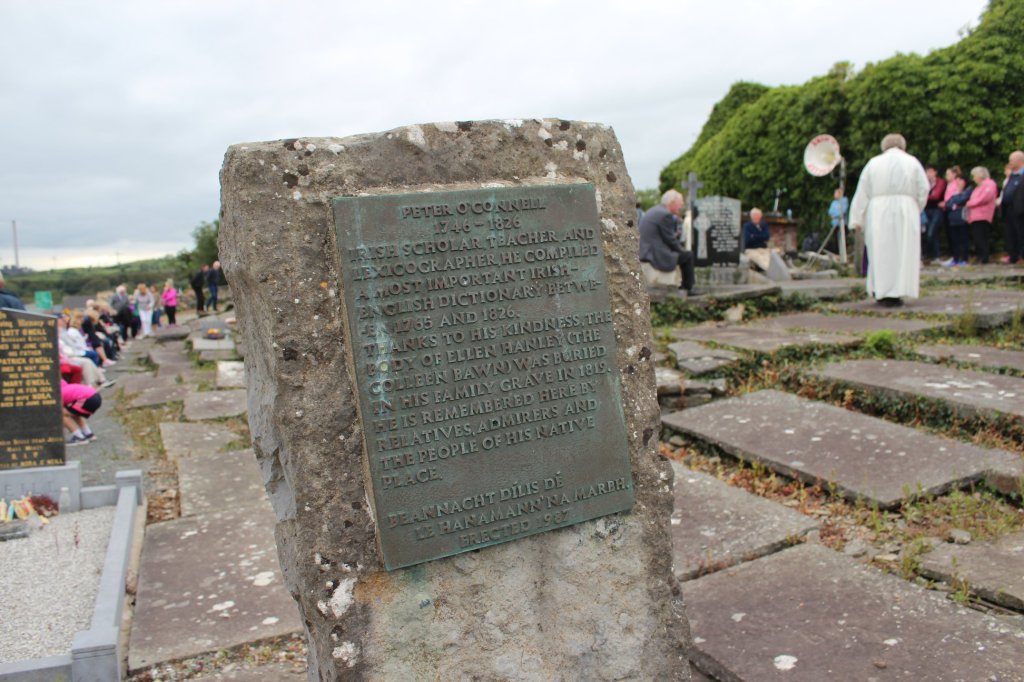
According to Lewis’ Topographical Dictionary of Ireland, a collection was made here locally to defray burial expenses. Peter O’Connell the lexicographer, brother of the man who discovered her body, offered his recently purchased burial plot in Burrane as her final resting place. Mrs Reeves of Bessborough House erected a Celtic cross at the head of the grave. It bore the following inscription:
‘Here lies the Colleen Bawn’
Murdered on the Shannon
July 14th 1819
R.I.P
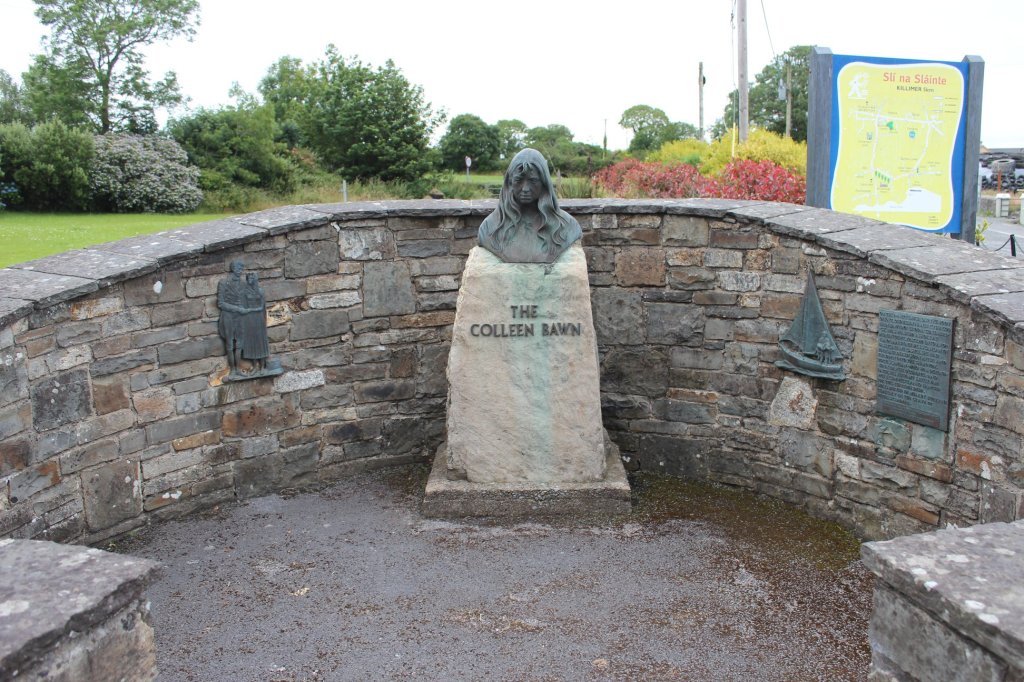
This has been chipped away by souvenir hunters and has been replaced by a flagstone which also suffered the same fate. In more recent times a bronze plaque has been attached to a stone slab to commemorate the Colleen Bawn. Her grave is situated in the old Burrane graveyard inside the stile. A bronze statue, depicting her, was erected in her memory beside the Colleen Bawn shop.
Her story has been told and written by many authors, most notably the drama ‘The Collegians’ by Gerald Griffin. Dion Boucicault also commemorates her in his drama entitled The Colleen Bawn, and in music she is the leading character in an opera called The Lily of Killarney. This tragic story, through its many dramatisations, has to this present day entertained and enthralled its audiences and kept the story alive. She is now part of our history as she rests in peace in Burrane cemetery overlooking her native Co Limerick, a tragedy indeed to all who loved her.
The following are a number of local reports of the murder:
Mai Crowe (Carradotia) recalled the story of the Colleen Bawn as she heard it:
‘Pat Connell (grandfather of Paddy Rochford), who was a fisherman, was on his way to the weir near Moneypoint to undertake his fishing, when he noticed seagulls hovering on shore. When he investigated, he discovered a body wrapped in fish netting – there being no phones, etc. he had to make contact with authorities. The military took the body to Cleary’s (where Patrick Browne now lives).’
Mai feels that it was her fair hair that gave her the name the Colleen Bawn. Mai also explained that it was the rope that was around her neck was the evidence that won the case. Particularly, as each fisherman would have had their own style of joining on the frayed end of the rope – this splicing was unique.
‘The rope had been borrowed by Scanlan on that fateful day on the pretext of needing it to secure his boat at the opposite side of the Shannon, but had not returned the rope, it was identified by its owner as the one that was borrowed – it sealed the fate of Scanlan.’
Mai also explained that there was terrible value for graves at that time. With graves being scarce and the old graveyard full, Peader O’Connell offered his grave as a burial place for the body.
Interviews following the discovery of the body;
Another very interesting old man named Sinon Behan of Donagrogue was also interviewed after the murder. He was born in 1803 and was therefore 16 years old at the Colleen Bawn’s death. He was apprenticed at that time to a tailor at Moneypoint named Denis Culligan. He is still wonderfully active and speaks Irish better than English. He states that he did not see the body of the Colleen Bawn, owing to a superstition that children should not be allowed look at a corpse. He remembered the incident well. It was at first regarded as an ordinary case of washing ashore, this part of the river being notorious for a strange current. As recently as 1893 a boat load of people were drowned accidentally opposite Tarbert, and five bodies came ashore at Moneypoint. Sinon also remembered being told that the fingers of one of the Colleen’s hand had been chopped off, as if she was endeavouring to get back in to the boat.
Another report recorded was that of a woman named Biddy Markham. She is living in Kilrush and states that her father lived at Moneypoint in 1819 and that it was her mother who supplied the sheets to wrap the Colleen’s body in. She also states that “three frightful screams” were heard from the river on the night of the murder, and that the girl when alive “was lovely” but had a double row of front teeth, “awfully white”. When Biddy was a girl there was a story that the shore was haunted by the Colleen who used to walk in a long cloak with her hair in a plait reaching to the ground. She adds that her mother often spoke of the absence of the fingers from one hand.
 Killimer Local History